
Get Additional 5% Off on your First Order
Store locator


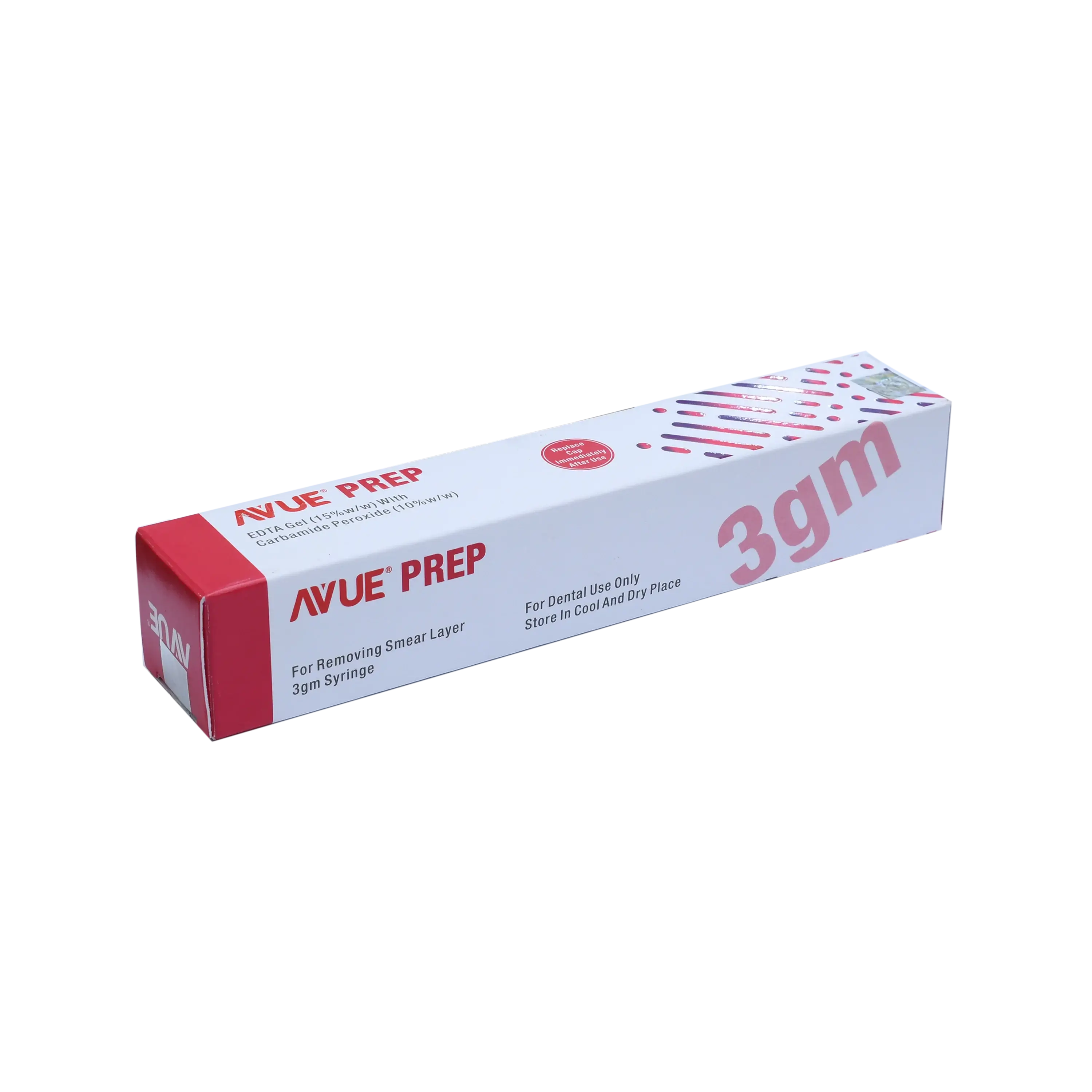
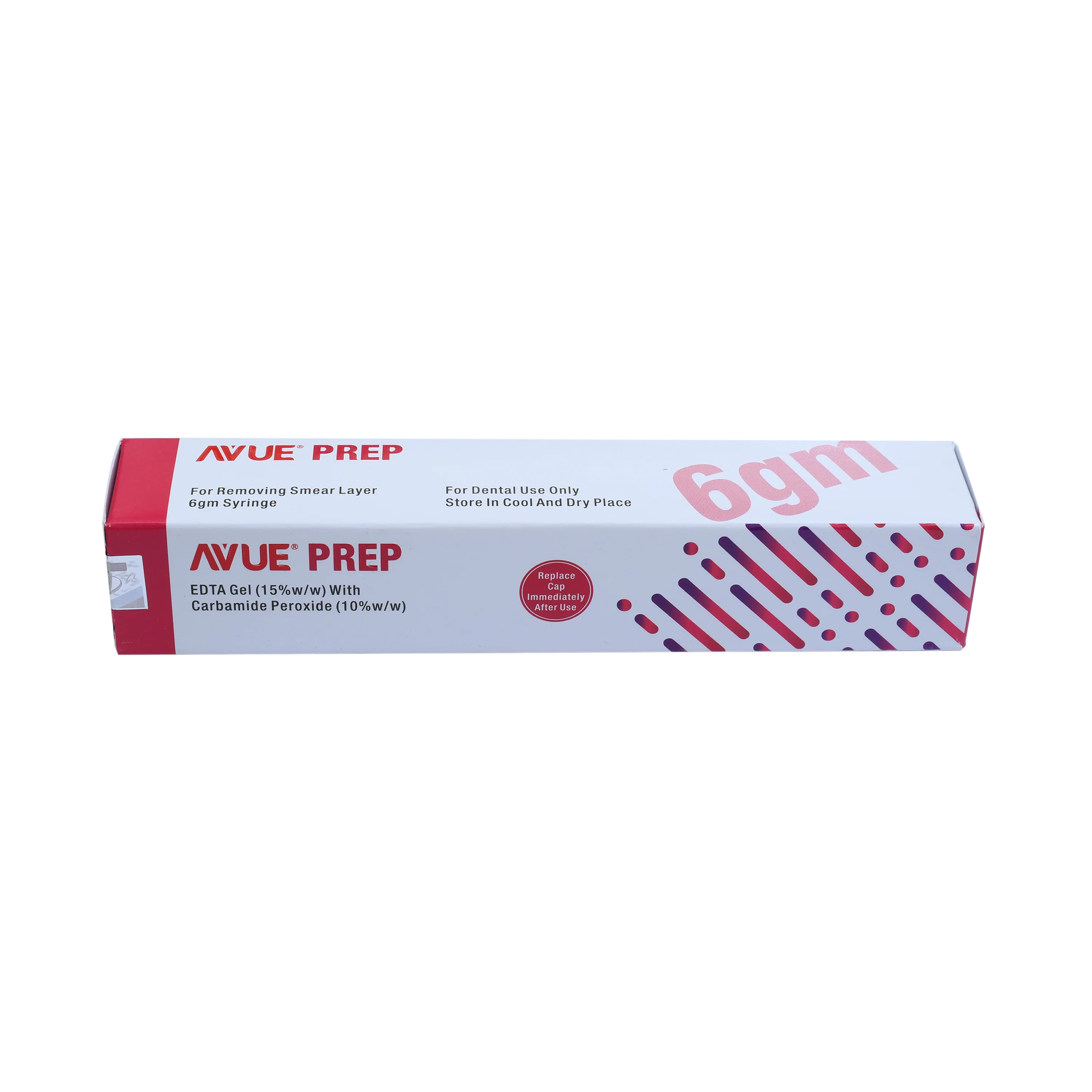
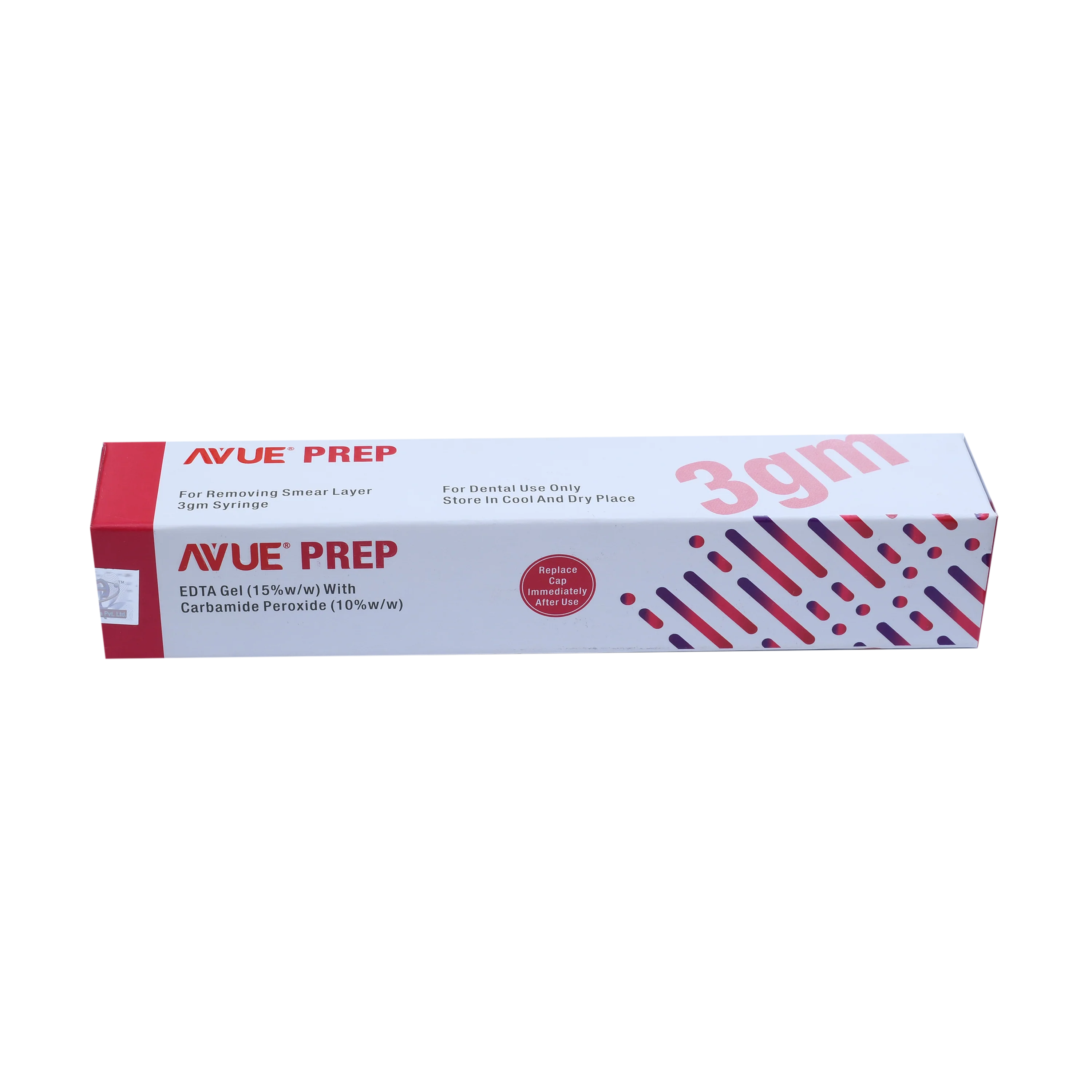
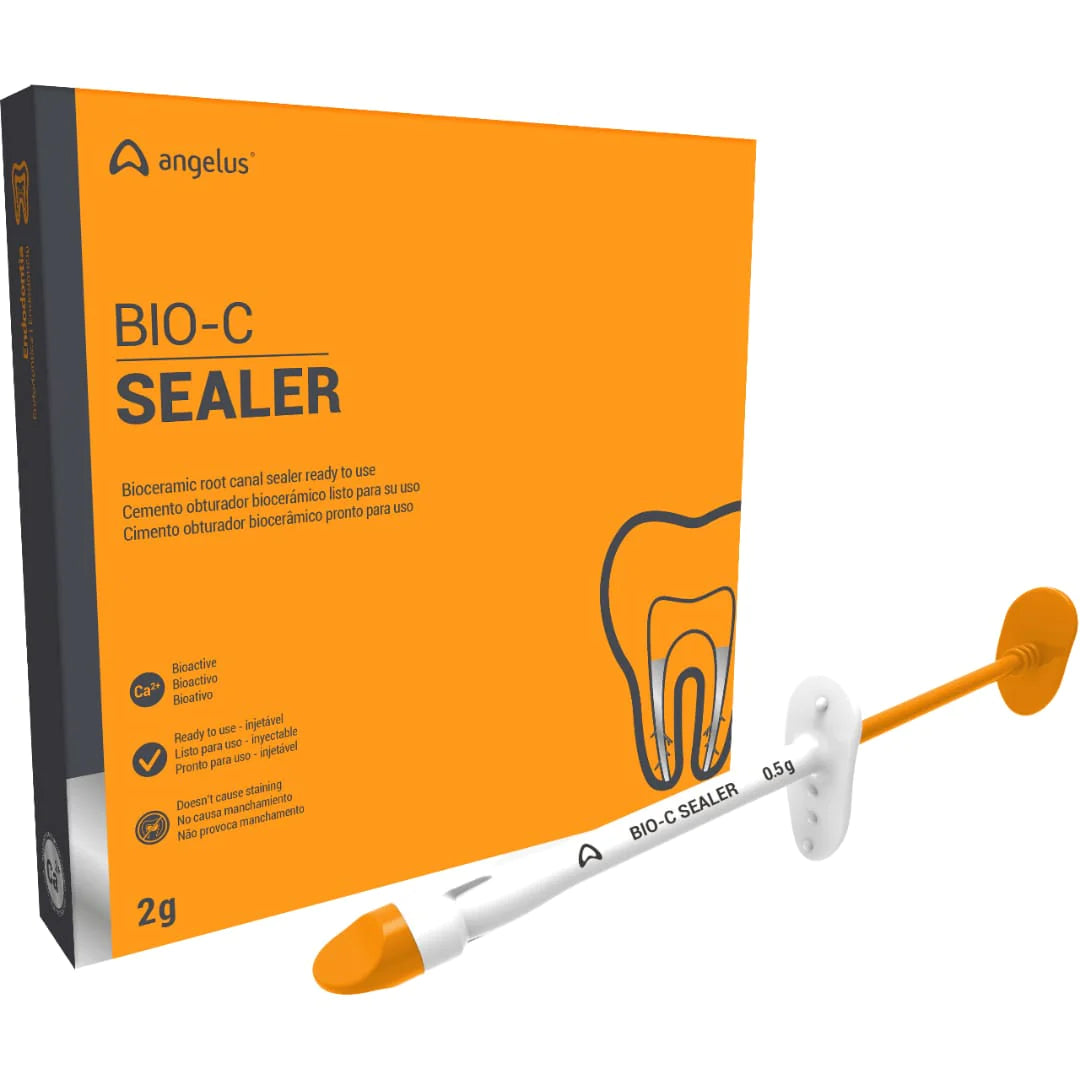
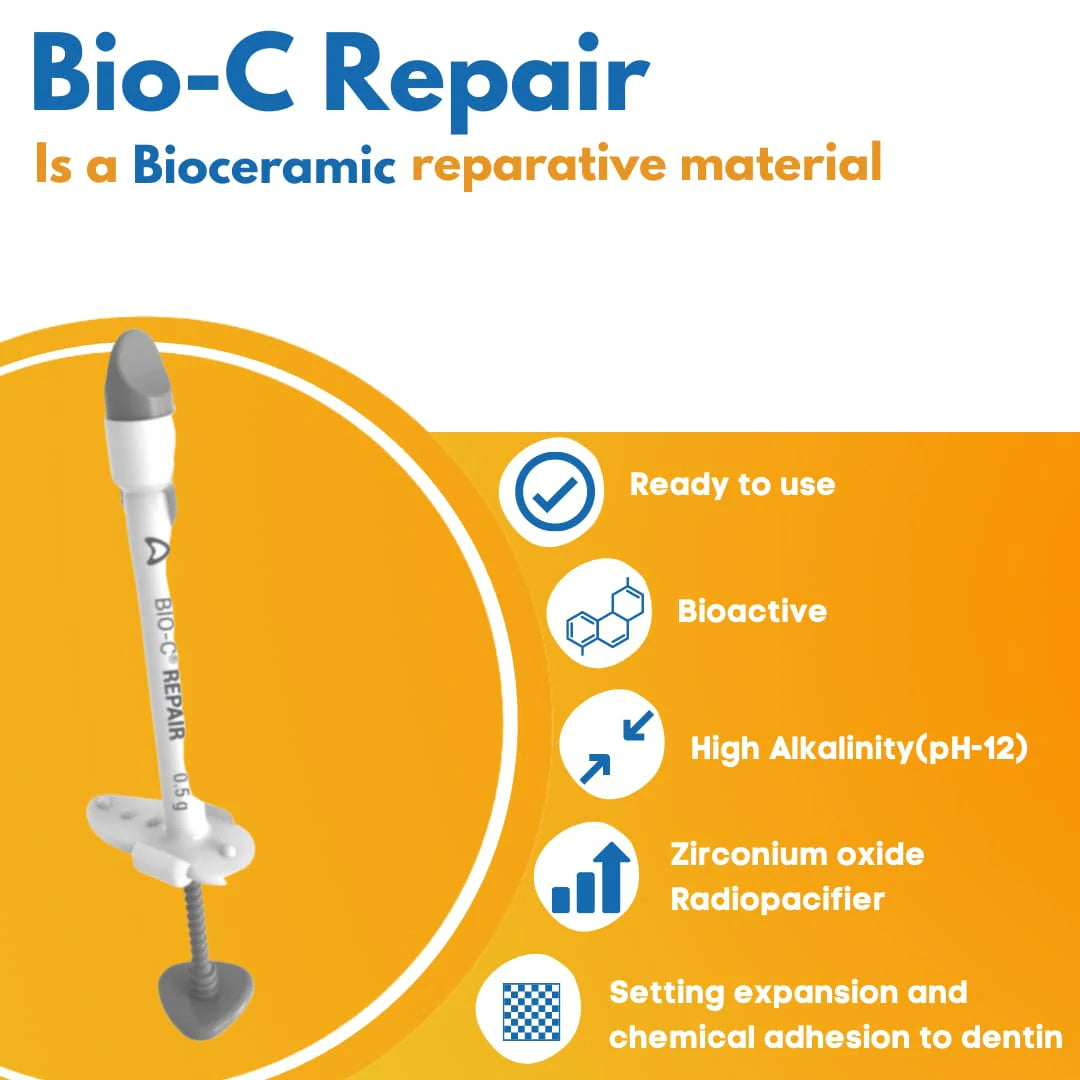


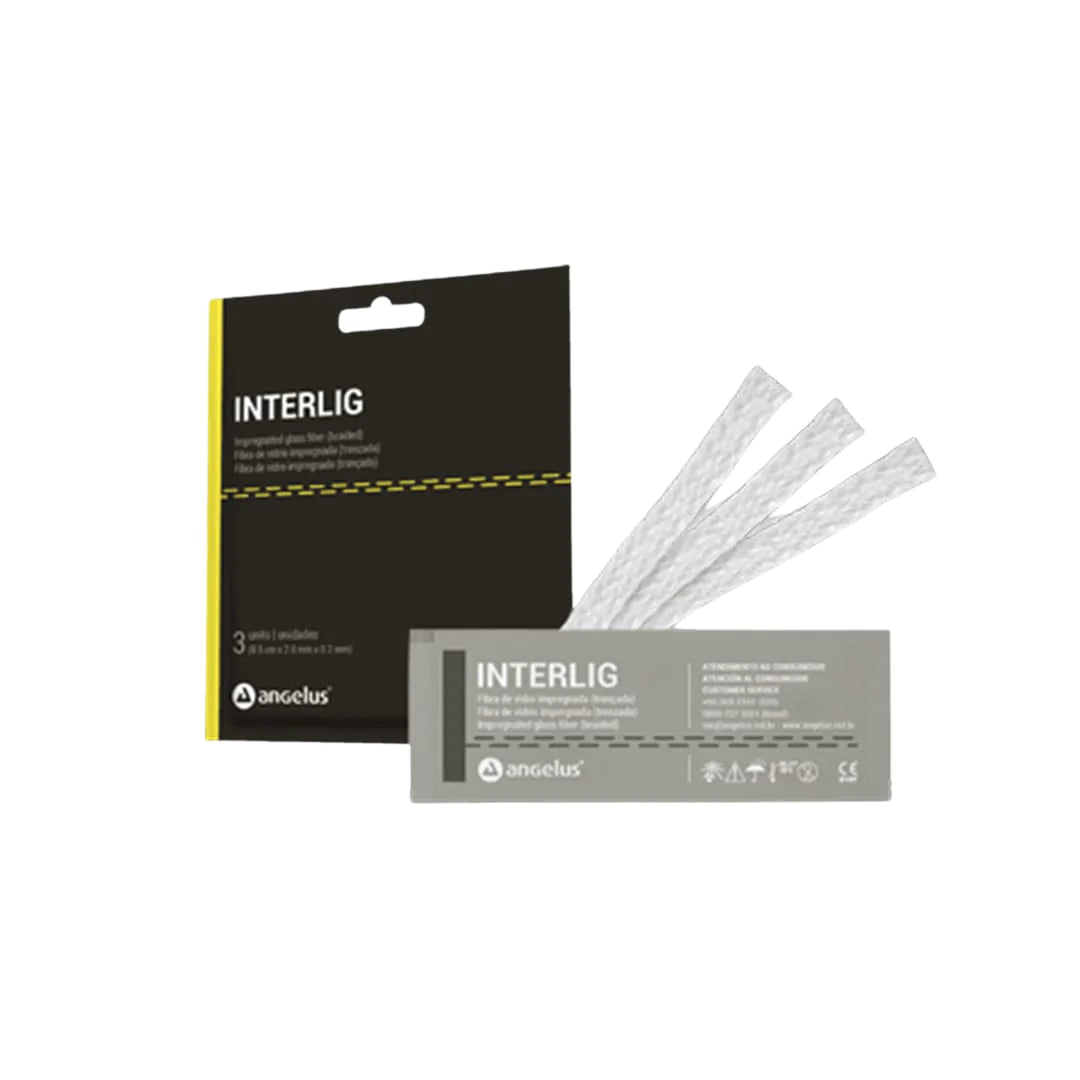
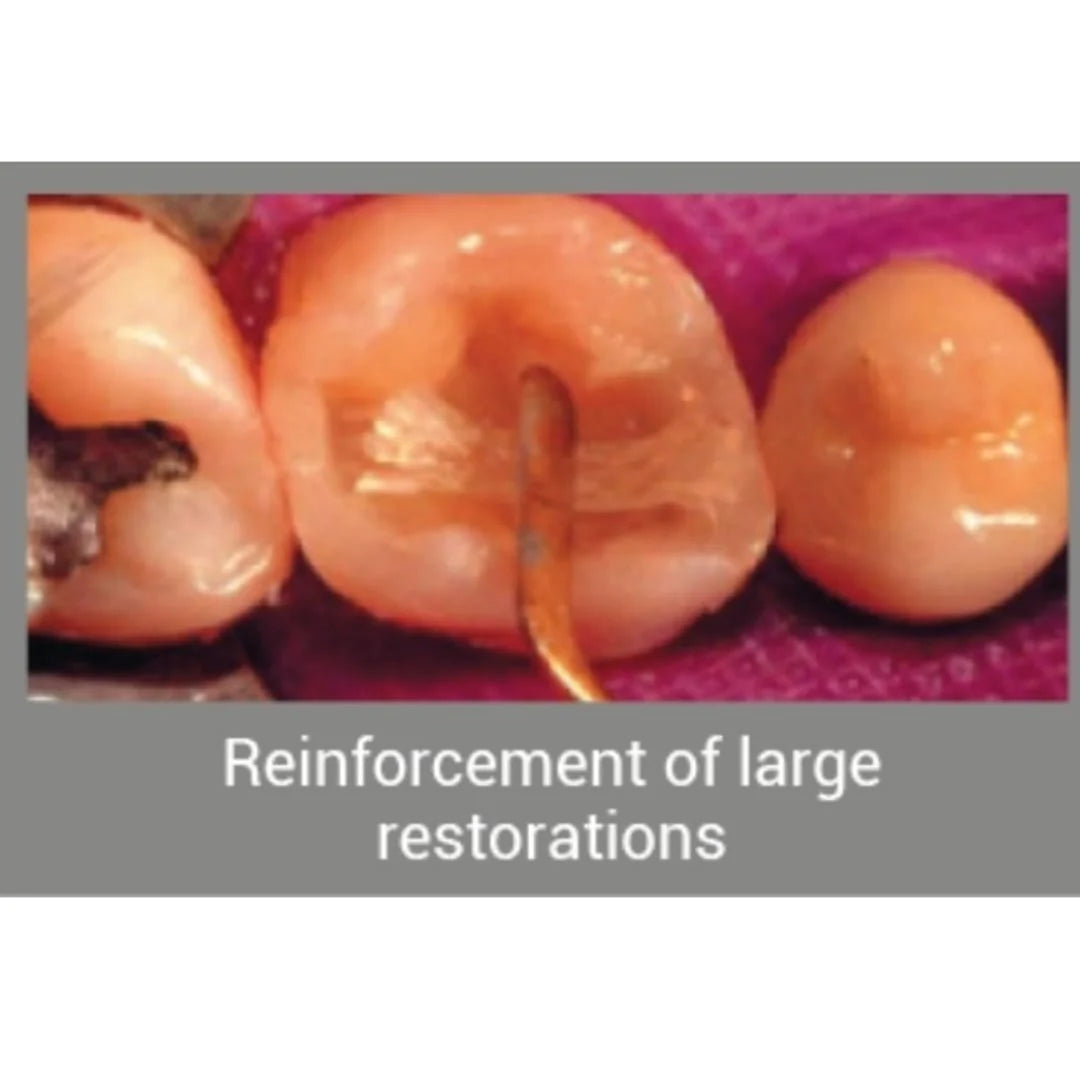
Angelus
Rs. 3,800
Rs. 4,750
In stock
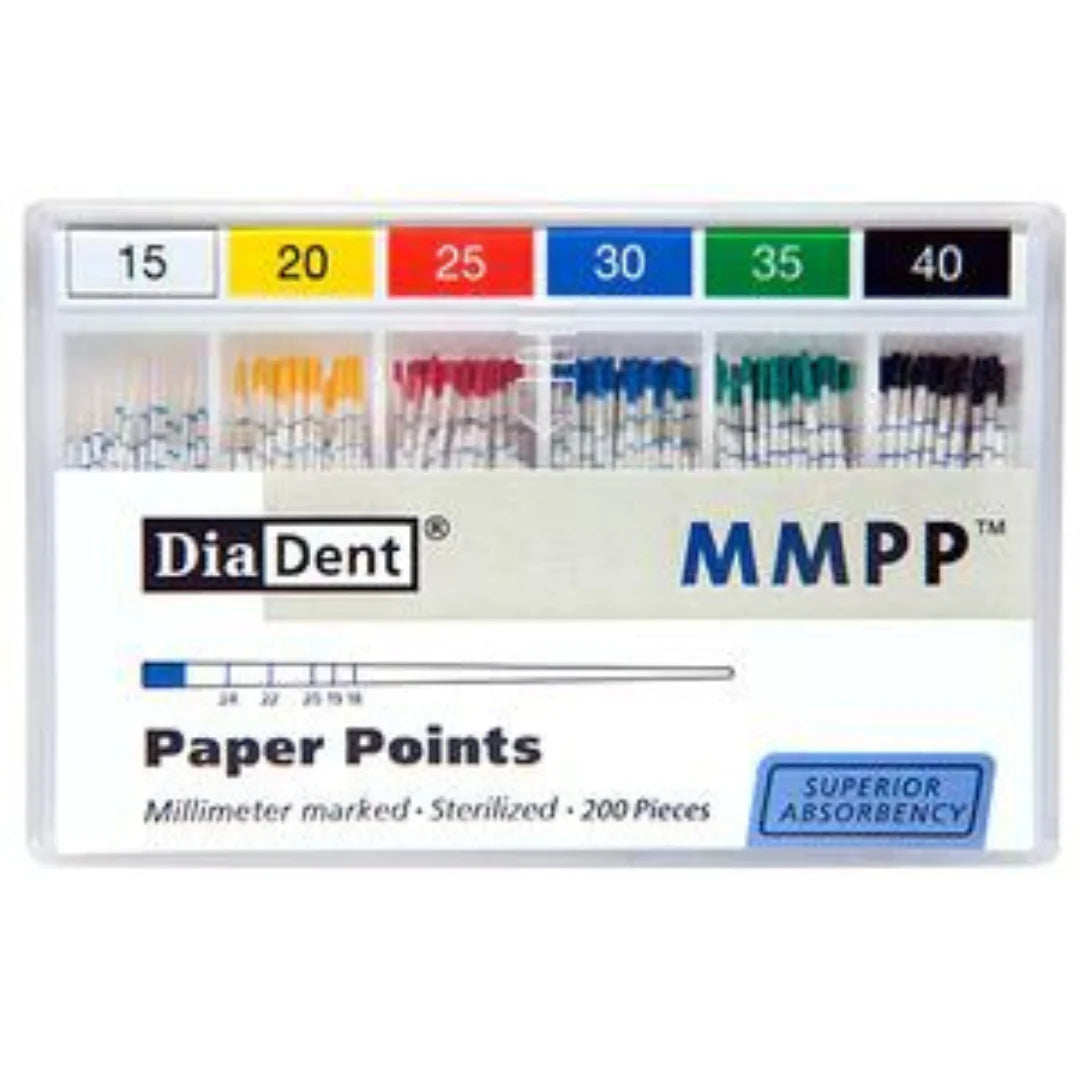
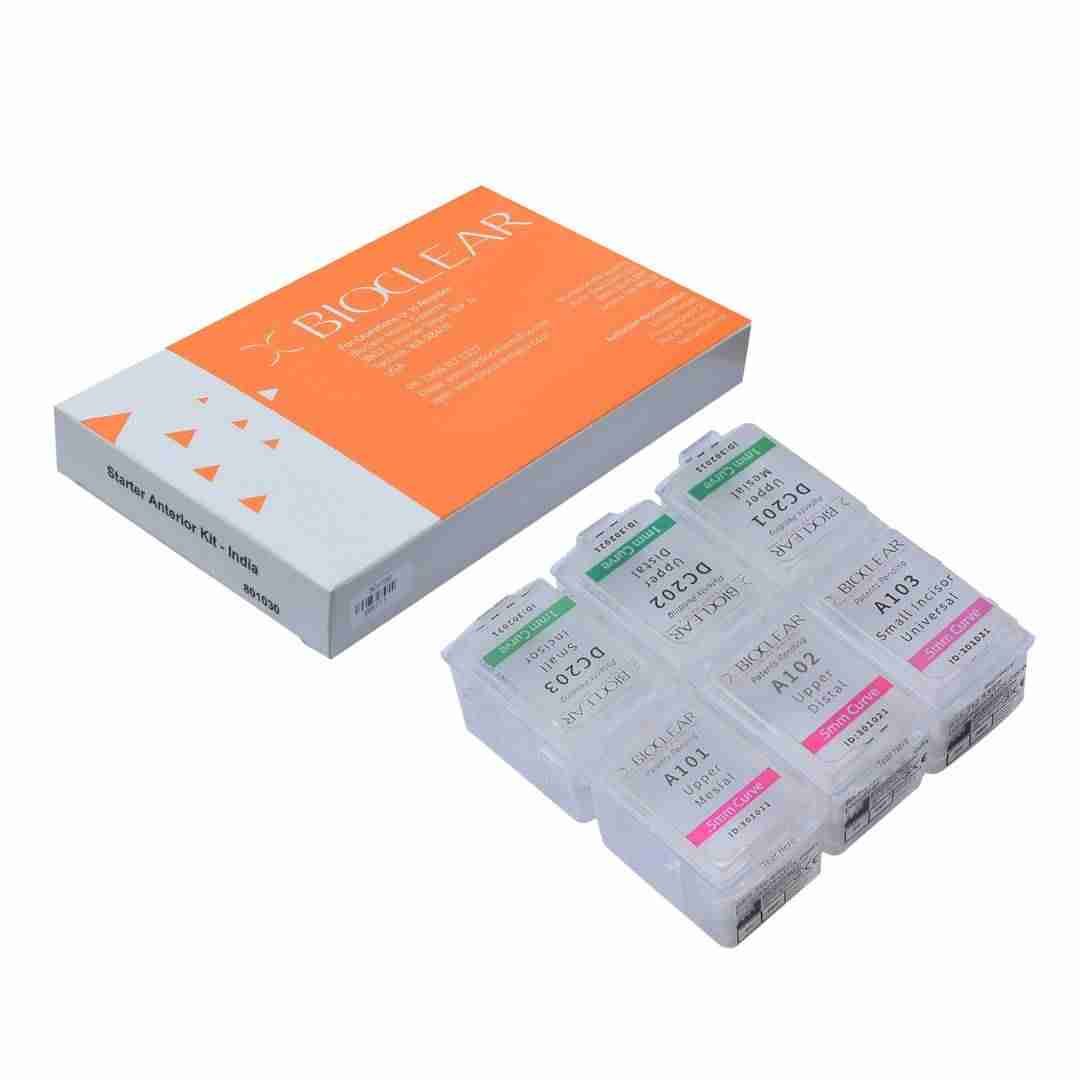
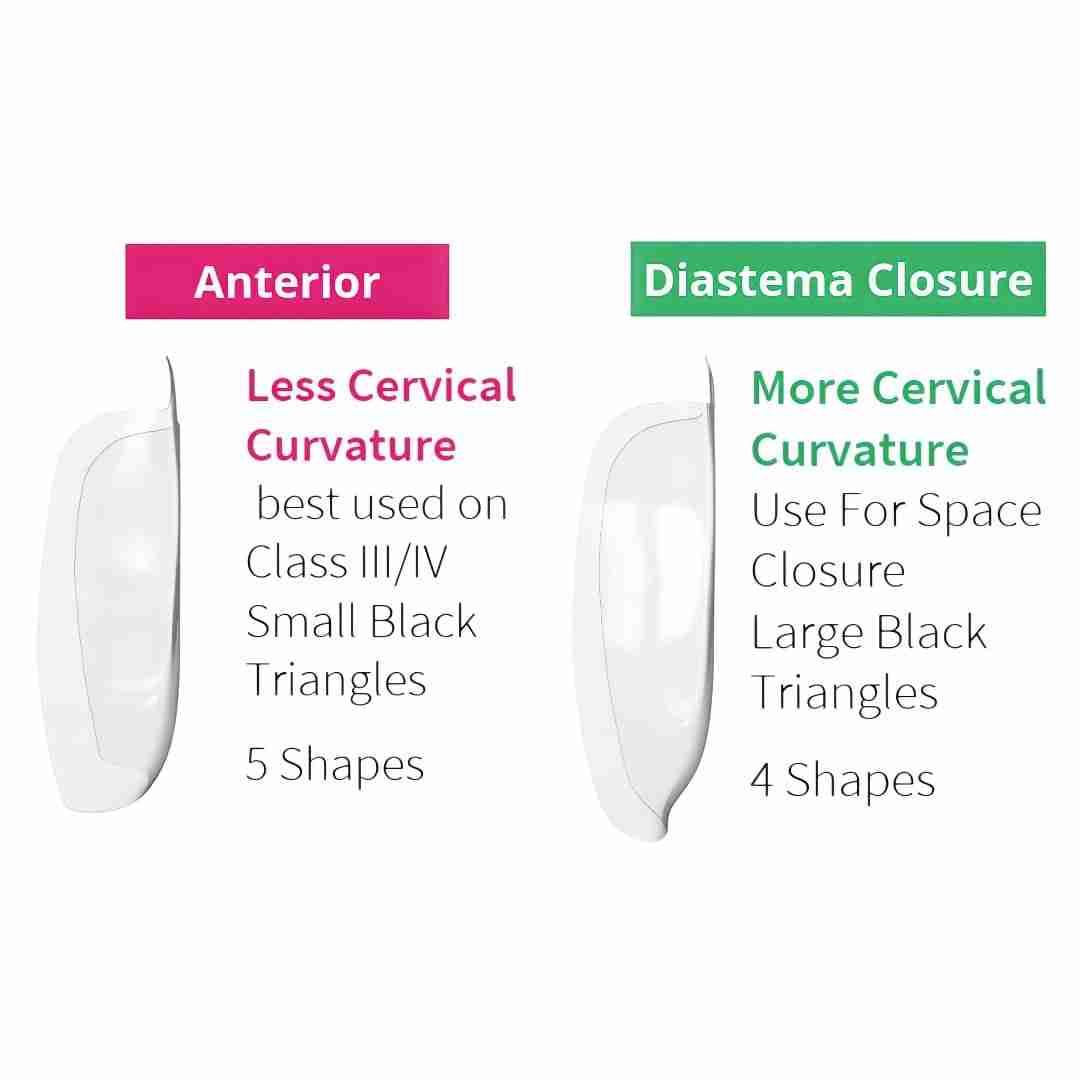

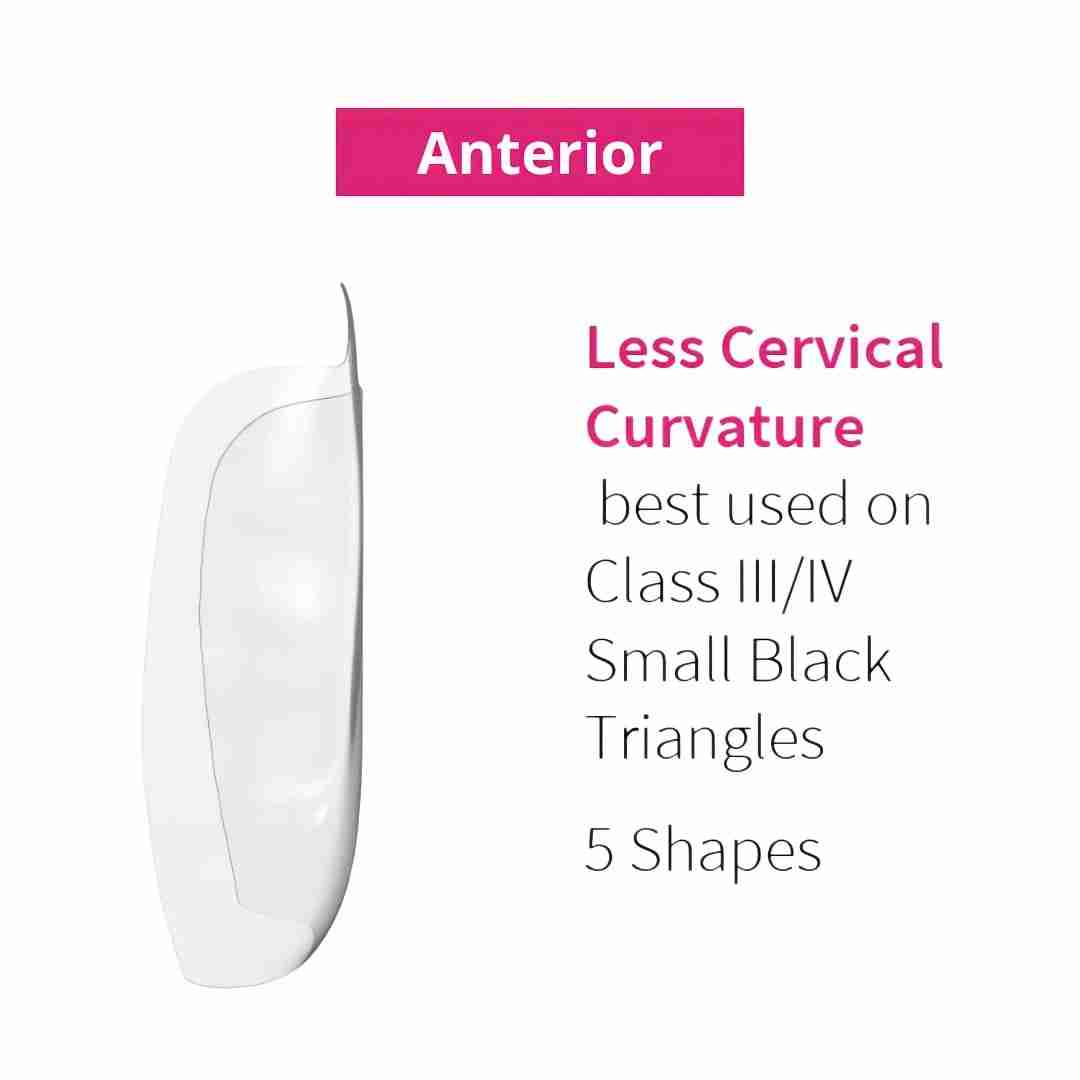
BioClear
Rs. 12,940
Rs. 16,130
In stock

TOP BRANDS


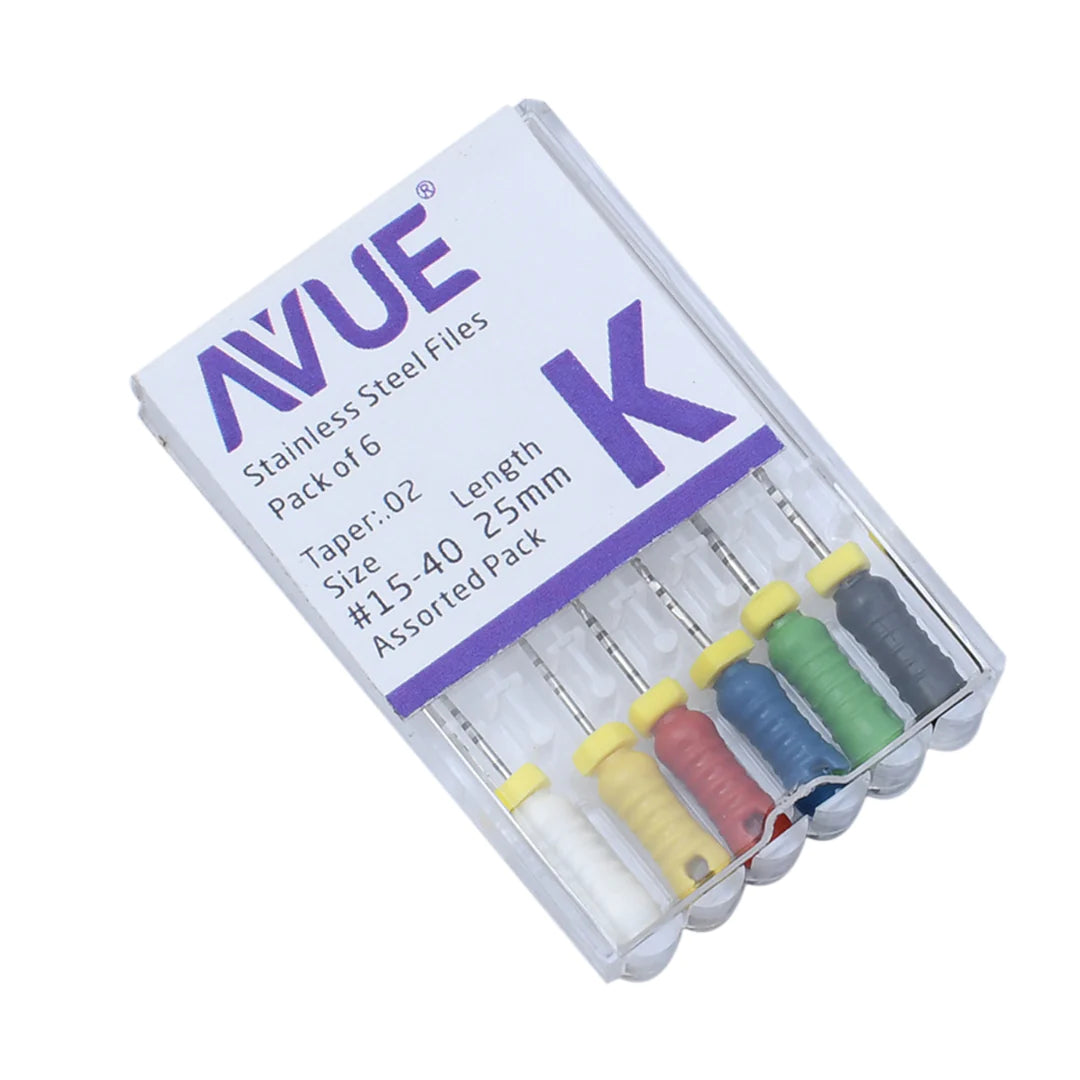
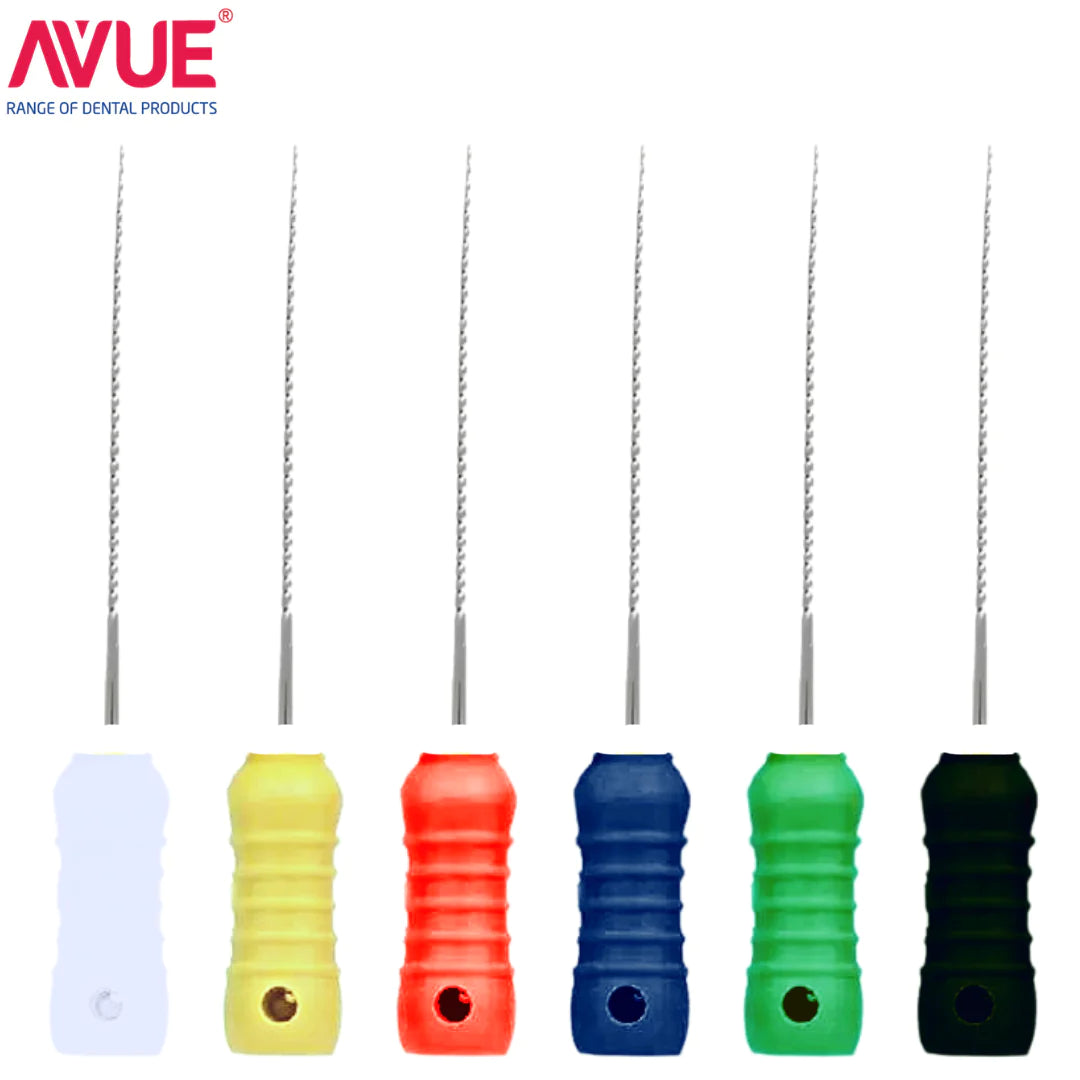
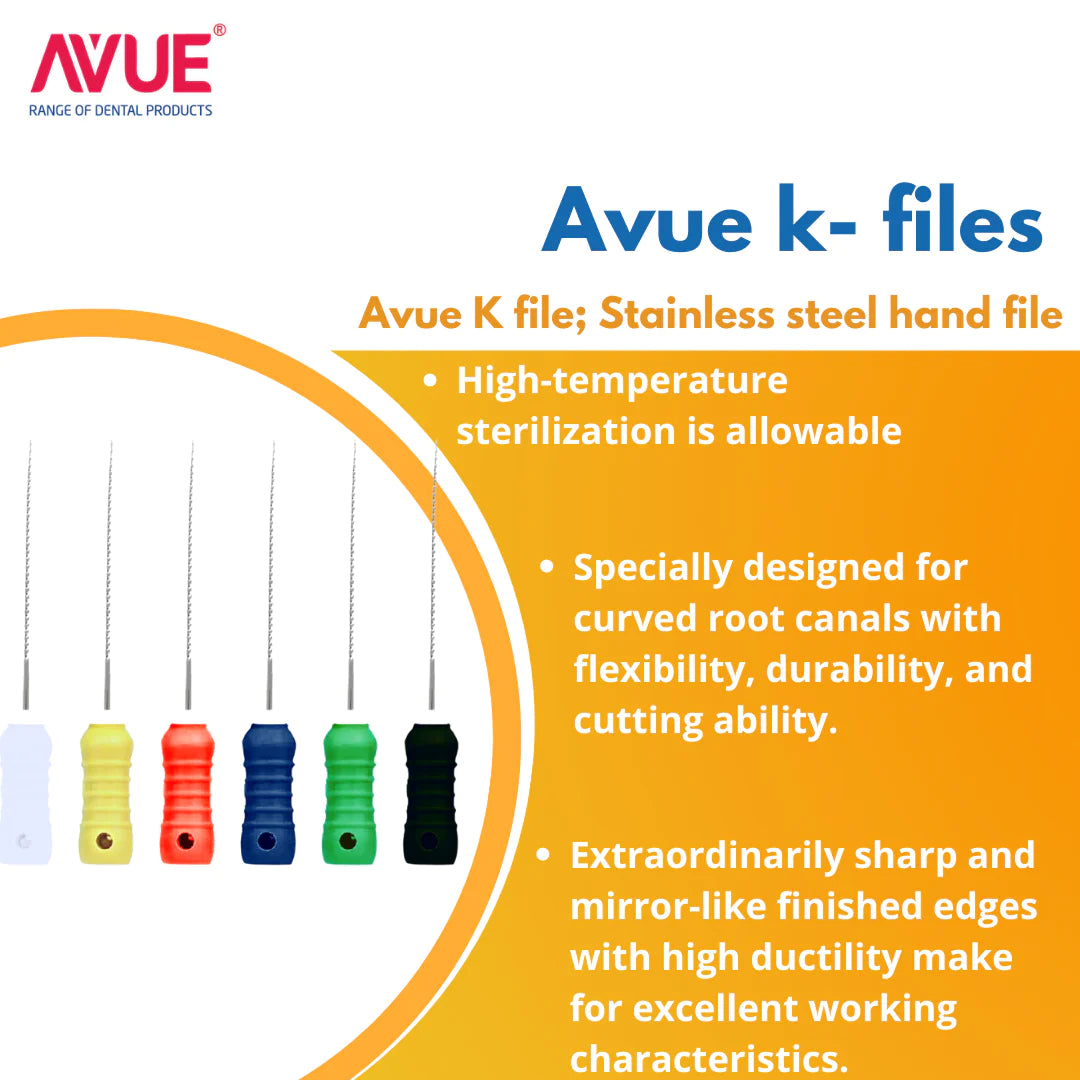
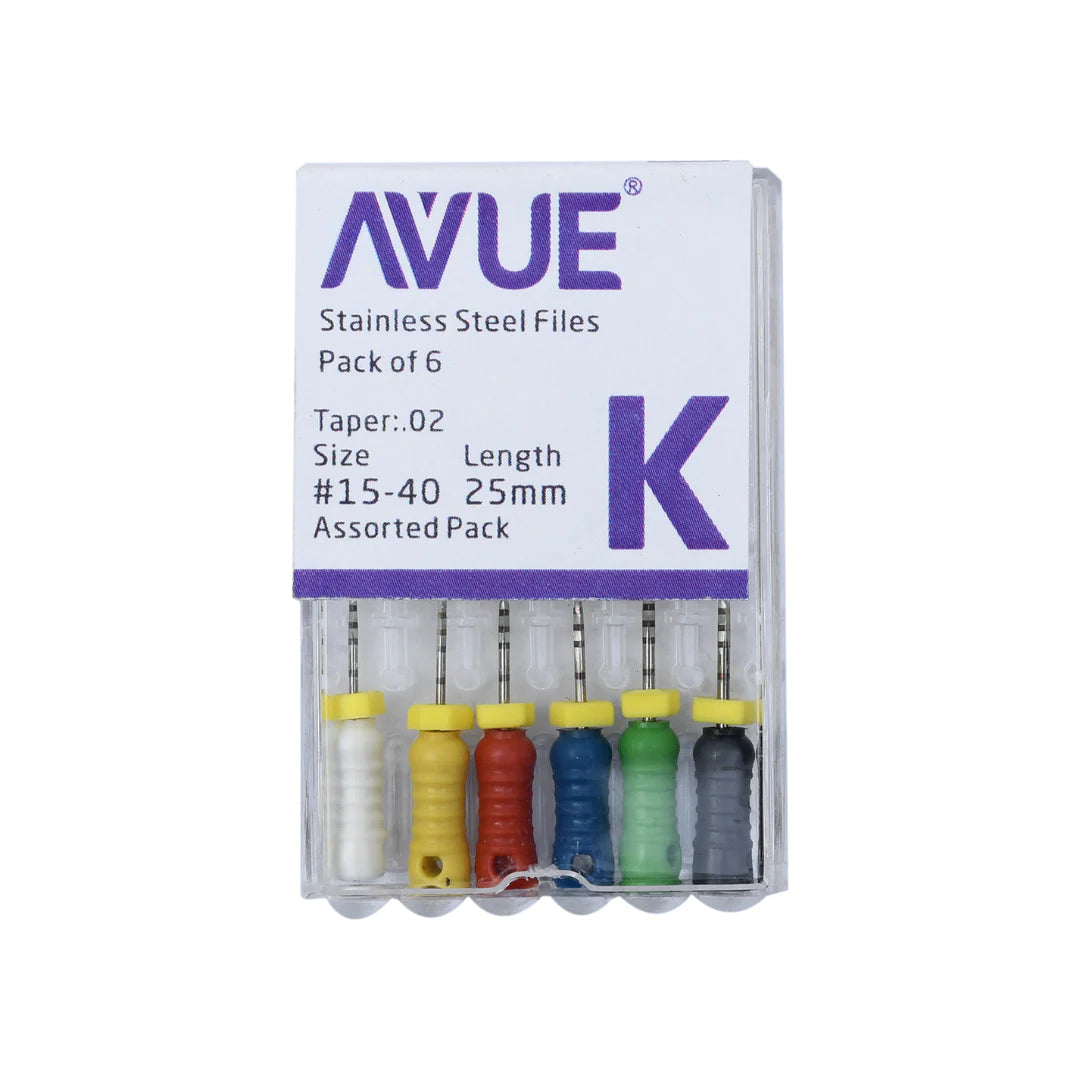


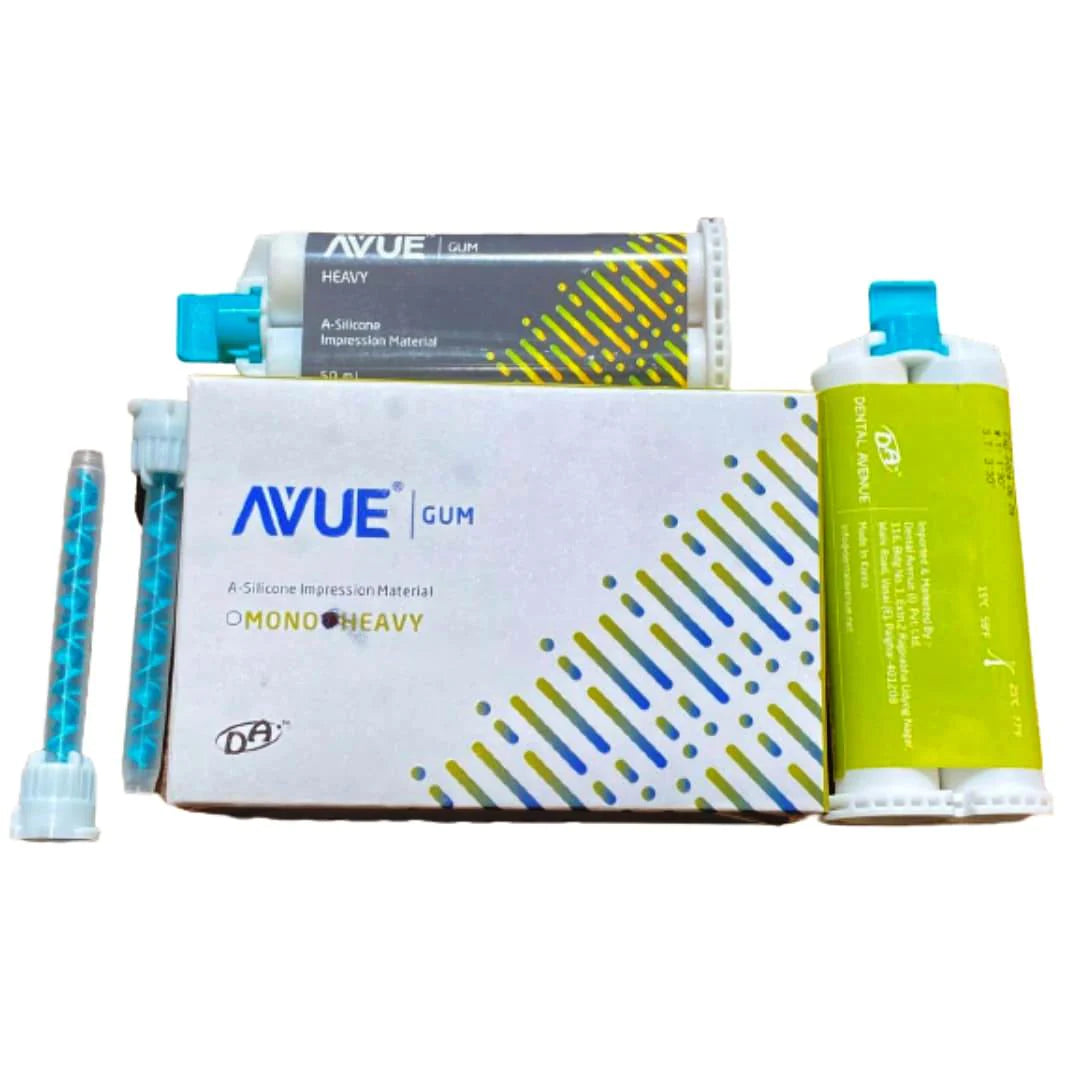
Dental Avenue
Rs. 1,700
Rs. 2,300
In stock




Dental Avenue
Rs. 1,350
Rs. 1,650
In stock

The Role of Dental Consumables in Modern Dentistry
Aug 30, 2025
Visit any modern dental clinic, and you will always find various dental materials and products that are excellent, both in the patient experience department and clinical outcomes. Dental consumables are the foundation of any treatment, starting with basic cleanings and ending with more advanced restorations. Dental consumables have never been more vital as dentistry changes with new technology and patient expectations. Scroll down and be here for the next 7 minutes. You will learn all about dental consumables, why they are essential, the latest advancements, and where they are changing the face of contemporary dental care. What are Dental Consumables? Dental consumables are a range of products and materials used by dental professionals during preventive, restorative, and surgical procedures that are intended for single or repeated use and require regular replenishment. These include: Restorative materials (like composite resins and amalgam) Impression materials (such as alginate impression material and silicone) Endodontic supplies (gutta-percha, sealers) Cements Orthodontic brackets A diverse range of infection control products (gloves, masks, sterilisation pouches). These products are crucial in dental work, such as fillings, crown impressions, among others, hence they are vital in everyday dental practice. Importance of Dental Consumables Dental consumables are directly linked to the quality and safety of patient care. The appropriate materials will make restorations durable, and infection risks will be reduced. Good consumables may spell the difference between a successful, long-lasting restoration and a failed restoration that needs to be repeated due to product failure. Consumables are critical in the context of infection control. Single-use items such as masks, gloves, and suction tips are at the first line of battle against cross-contamination, to distinguish patients and the dental workplace. From an operational standpoint, consumables are a significant percentage of recurring expenditures in a medical practice. The selection of dental consumables affects the flow of work, the flow of patients, and the reputation of the practice. Types of Dental Consumables The world of dental consumables is vast and ever-evolving. Here are the main categories and their roles in modern dentistry: #1: Restorative Materials Composite Resins: These fillings are the most conservative, yet highly aesthetic and durable it can be, in the form of tooth-colored materials. Made from a resin-based matrix and fine filler particles, they blend naturally with teeth, offering both strength and aesthetics. Amalgam: Dental amalgam is made by mixing mercury with metals such as copper, tin, and silver. Because of its strength, longevity, and affordability, it has been in use for decades, particularly for restoring posterior teeth that can withstand strong chewing forces. Despite being less aesthetically pleasing than tooth-colored alternatives like composites Glass Ionomer Cements: The materials tend to release fluoride, which can prevent secondary caries, and find use in non-load-bearing areas or paediatrics. Ceramics: Ceramics are stronger than most materials and well-loved because they can be used on crowns, veneers, and inlays/onlays, with the best replacement resembling natural tooth enamel. Acrylic Resins: Widely used to make denture bases and temporary crown fabrications, acrylics are favoured due to their low price and the ability to be easily manipulated. #2: Impression Materials Alginate is a fast-setting, inexpensive material used to make initial impressions, typically used to cast study models or as orthodontic wax-ups. Learn more about the uses of alginate in dentistry. Polyvinyl Siloxane (PVS): PVS is the most accurate and dimensionally stable material widely used to achieve final impressions in dental restoration and implants. Polyether: It is highly accurate in reproducing detail, and especially useful in complex cases. Silicones: They are valued for their excellent dimensional stability, elasticity, and fine detail reproduction, making them ideal for crowns, bridges, dentures, implants, and other restorative procedures. #3: Endodontic Materials Gutta-Percha: Gutta-percha is the gold standard used to fill the root canals because it is biocompatible and is easily manipulated. Endodontic Sealers: Root Canal Sealer is a radiopaque dental cement used usually in combination with a solid or semisolid core material to fill voids and to seal root canals during obturation. Endodontic Files & Rotary Instruments: Used to clean and shape the root canals. Irrigating Solutions (e.g., sodium hypochlorite, EDTA, chlorhexidine) – For disinfecting canals and removing debris. #4: Prosthetic Materials Ceramics: Ceramics are used in crowns, bridges, and also in veneers, and are valued for having the appearance of natural teeth and being strong. Acrylic Resins: Acrylics are very useful, as they help in denture bases and temporary prosthetics, and they are easy to adjust and repair. #5: Orthodontic Materials Brackets and Wires: A cornerstone of a fixed orthodontic appliance, these are essential consumables in tooth movement. Elastics: Little rubber bands that provide supplemental pressure and can straighten the bite and alignment. #6: Lining and Base Materials Calcium Hydroxide Liners: Protect the pulp and stimulate dentin formation. Glass Ionomer Liners: Provide thermal and electrical insulation while releasing fluoride. Zinc Oxide Eugenol: Used as a temporary filling or lining material, soothing the pulp. #7: Infection Control Gloves, Masks, Sterilisation Pouches, Surface Barriers: These are consumable items necessary to ensure sterility and cross-infection prevention. Introducing single-use, pre-sterilised products has also increased safety and effectiveness within a dental practice. Infection Control and Sterility in Dentistry Controlling the infection is the most crucial aspect in dental practice, and dental consumables are the epicenter of this effort. Professional practices at organisations such as the CDC and ADA emphasise strict measures for the use, handling, and disposal of consumables. Notable single-use items include needles, syringes, and suction tips, whereas products that can be used multiple times, such as impression trays and endodontic files, require a careful cleaning process, as well as sterilization after the patient has been substance-free. Impression materials should be disinfected straight after being removed from the mouth to avoid cross-contamination.Impact on Treatment Outcomes Many studies reveal that high-quality restorative materials, impression materials, and products related to infection control help achieve greater success when treating patients, fewer side effects, and increased patient satisfaction. Two factors can influence the longevity of a dental restoration, and these are the expertise of the dentist as well as the ceramic or dental composite kit used. Low quality of the materials may lead to a collapse of the restoration, secondary caries, and retreatment. Infection control consumables are equally critical. Any lapse in a protocol, whether the reuse of single-use items or poor sterilisation, can result in a cross-infection with associated adverse consequences. Conversely, the application of sophisticated, biocompatible, well-designed, and highly precise consumables achieves patient comfort, less chair time, and all-around quality of care. Advances in Dental Consumables The dental consumables market is in the midst of a technological revolution. Here’s a look at some of the most exciting advances: 1. Nanotechnology and Bioactive Materials Adding nanoparticles to composites and glass ionomers has resulted in materials with improved strength, wear resistance, and aesthetics. Bioactive materials that release fluoride, calcium, or other ions are currently available, facilitating remineralisation and hindering the occurrence of secondary caries. 2. Infection Control Innovations Single-use pre-sterilised equipment, antimicrobial covers, and better packaged sterility and traceability advances. The inventions are critical in maintaining the high infection control standards in busy dental practices. 3. Sustainability and Eco-Friendly Trends Consumables made with more information on the environment are being manufactured by biodegradable, recyclable, and environmentally friendly manufacturers. The call of the hour is sustainability in conjunction with green dentistry, which is giving rise to new forms of innovation that do not affect quality or safety, as well as reducing the amount of waste. Dental Consumables at Dental Avenue At Dental Avenue, we realise that dental professionals need more than a supplier; they need a partner in clinical excellence. We have a complete line of dental consumable products that include restorative, endodontic, impression materials, and infection control products. We only deal with reputable manufacturers so that any product we offer meets the best standards in terms of quality, safety, and innovation. Our mission is to provide dental professionals with expert technical support, training programs, and responsive customer service. Dental Avenue has it all, whether it is the most current in digital dentistry, environmentally friendly, or something standard and time-tested. Final Thoughts The dental consumables might not always be at the center stage, but they are the backbone of contemporary dental practice. As technology increases, we will attach more importance to the proper choice of consumables. As dental professionals, it is important to remain updated and critical in decision-making by acquiring high-quality and trusted suppliers. The future of dentistry is shiny, and it is based on the power of consumables we make decisions on today. Frequently Asked Questions (FAQs) What are dental consumables, and how are they different from dental equipment?− Dental consumables are the material products that are exhausted or disposed of after one or a limited use in dental practice, including: Gloves Dental impression materials Filling materials Conversely, dental equipment is durable tools and equipment such as dental chairs and X-ray units that are used for many years. Consumables are those items needed to carry out day-to-day operations, and equipment provides the facility where dental practice can be administered to the patient. Why is the quality of dental consumables essential for patient safety?+ Dental consumables play a crucial part in treatment success and patient safety. Low-quality materials may fail restoration, cause pain, allergies, or infection, or lead to sterility, resulting in post-operative complications and cross-contamination risks in dental clinics. How do dental consumables support infection control in dental practices?+ Infection control consumables are one-time items, including gloves, masks, and many more. These consumables reduce cross-infection, and the correct usage of these products is one of the essential parts of a safe and hygienically clean environment in dental offices. What are the latest innovations in dental consumables? + Today’s dental consumables are evolving rapidly with the help of digital dentistry (CAD/CAM, 3D printing), nanotechnology-enhanced materials, bioactive and innovative materials that intercommunicate with oral tissues. How can dental professionals choose the correct consumables for their practice? + Professionals must focus on their clinical needs, evidence-based research, material properties (strength, biocompatibility, and aesthetics), manufacturer reputation, and regulatory standards. They can also consult experts and suppliers, and keep themselves updated with industry advancements and ensuring optimal patient care and practice efficiency.

Classification of Dental Impression Materials: Types & Uses
Aug 22, 2025
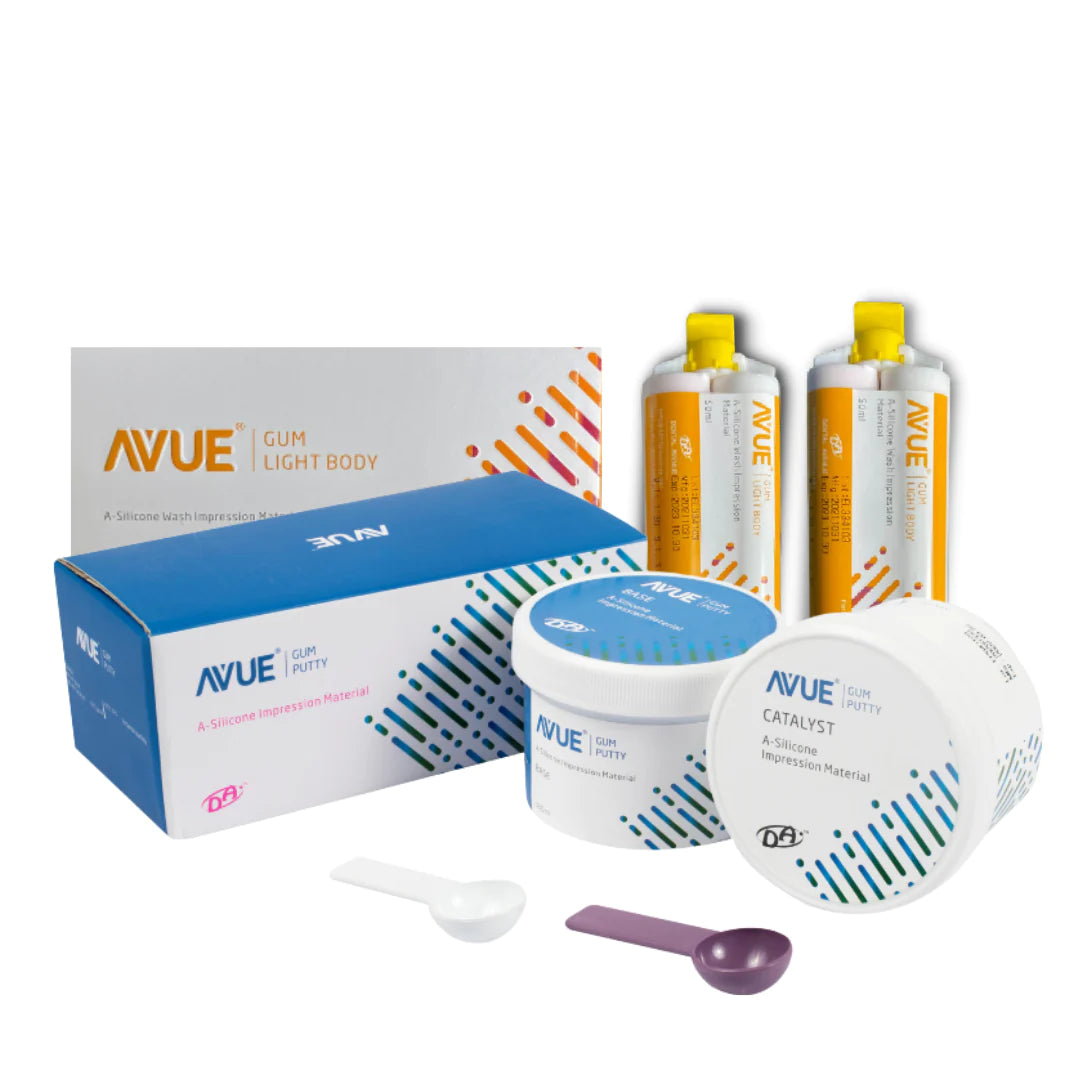
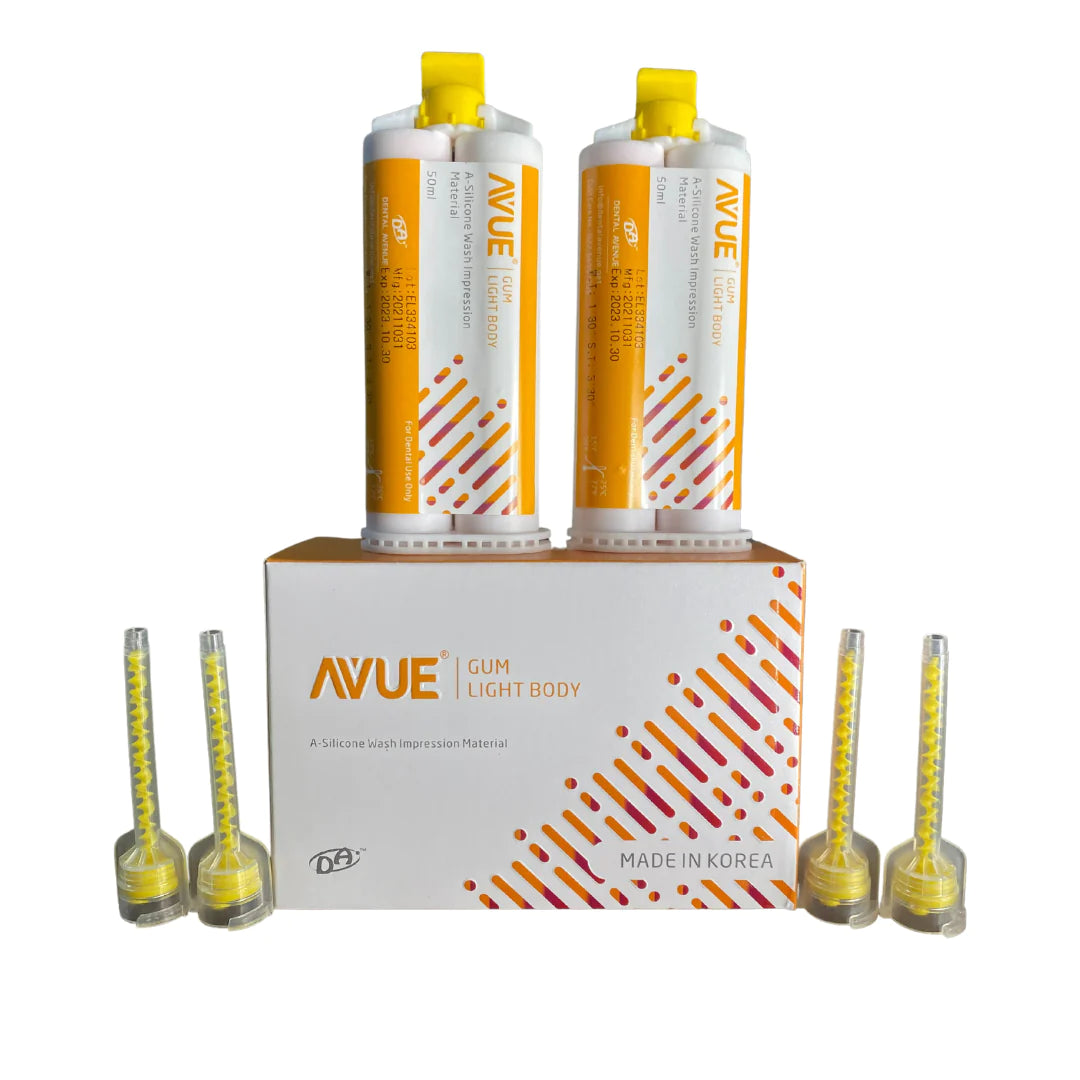
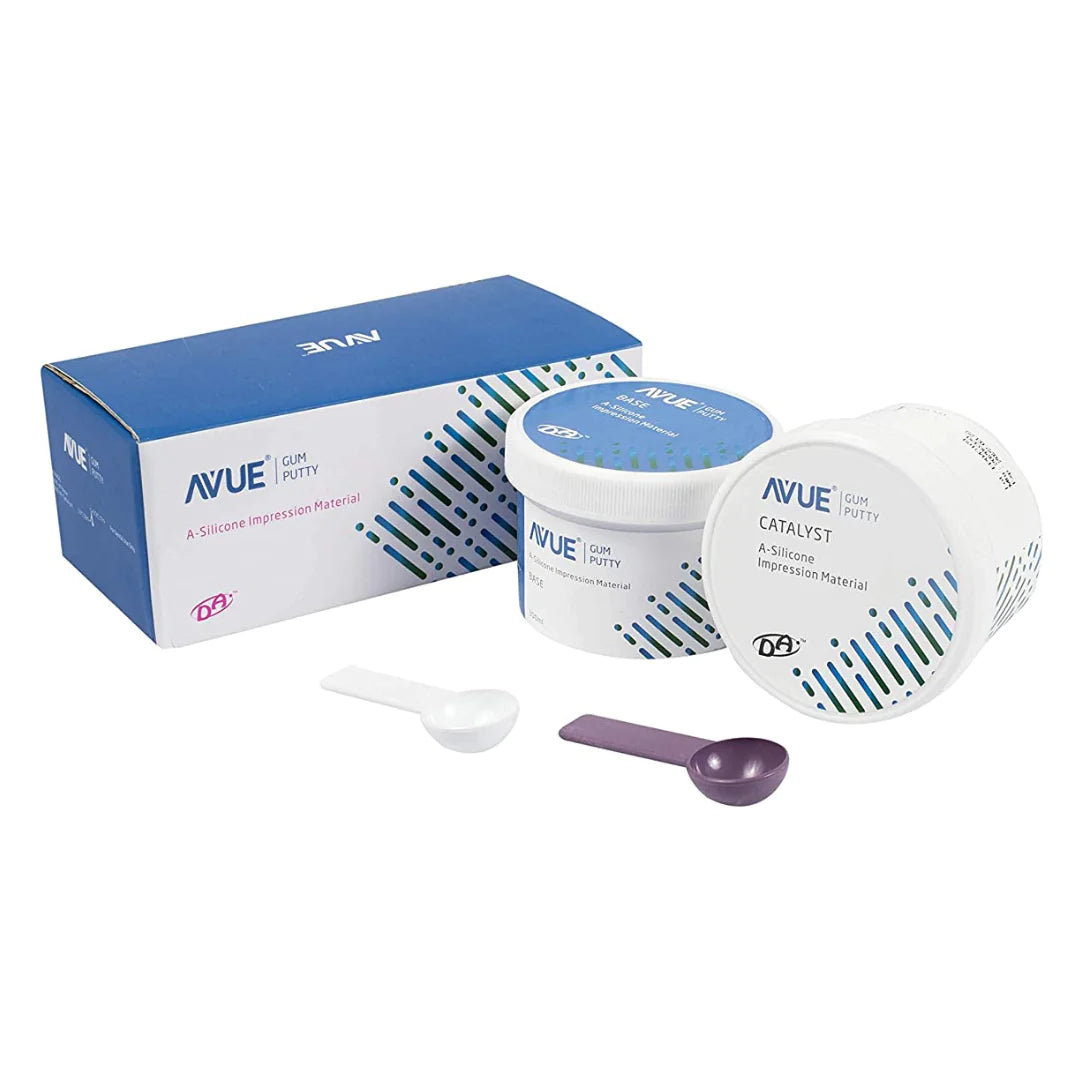
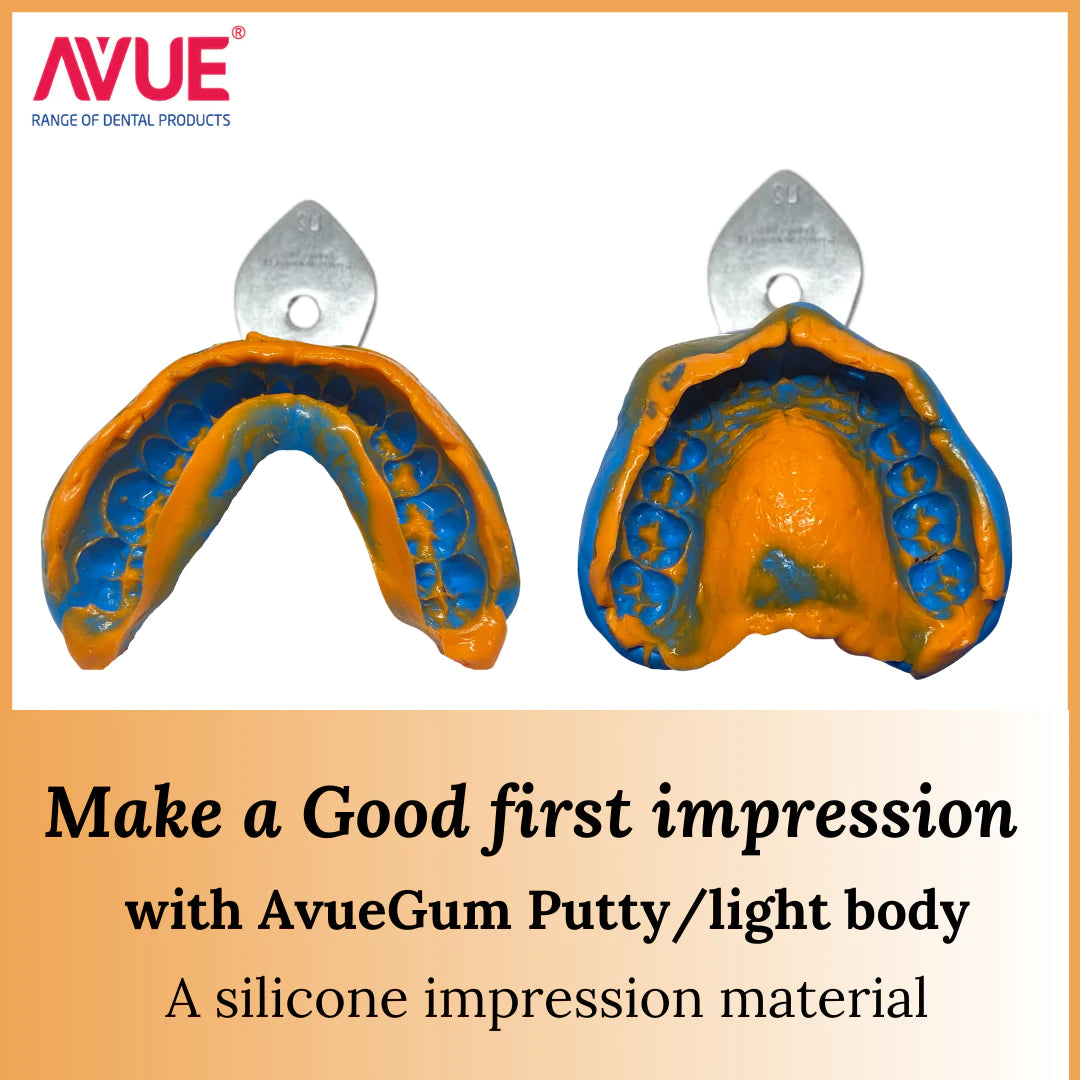
The most critical materials used in restorative and prosthetic dentistry are the dental impressions. The vital blueprint necessary to form crowns, bridges, dentures, and orthodontic appliances is made by dental impressions. The precision and predictability of these impressions have a direct influence on the fit, function, and long-term success of the dental restorations. This exhaustive guide will explain how dental impression materials are subdivided, their types, applications, and the recent developments that would define the future of dental practice. Clinical success and patient satisfaction rely on an understanding of these materials. Understanding Dental Impression The dental impression is the negative impression of the teeth and the oral tissue around them. The negative would then be used to produce the cast or model, which forms the basis of diagnosis and treatment planning and is used to fabricate dental prostheses. In multiple clinical settings, dental impressions cannot be neglected. They enable the dentist to examine the patient's oral structure in several directions, coordinate a complicated renovation treatment, match the prosthetics to the optimum capacity, and provide comfort. Application usually consists of dropping a very soft and malleable substance into a tray, placing a mold into use into the mouth, and letting it harden. After being separated, the impression provides an image of the whole of the oral cavity with all crannies, crevices, as well as the tiniest tips of the cusps and the most profound of sulcuses. A good impression is the start of good restoration, and a bad impression may mean ill-fitting prostheses, patient discomfort, and remakes at a hefty cost. Impression Materials in Dentistry The coarse and unstable materials, such as wax, that early practitioners were working with were easy to manipulate but not equally precise for precise work. When gutta-percha and thermoplastic materials were introduced in the 19th century, a great breakthrough had been made, though it was the invention of hydrocolloids (agar dental impression material and alginate) that truly took off. The dental impression materials can be categorised into two main groups, namely: elastic and non-elastic. Flexible materials, like alginate, agar, and elastomeric materials, can bend and have elastisity to spring back, so they are well-suited to capturing undercuts and fine details. Still, non-elastic materials such as classification of impression compounds and zinc oxide eugenol are relatively rigid and stiff after setting. They are most appropriate in edentulous arches or arches in which there is no undercut. Let’s classify impression materials used in modern dentistry: 1. Alginate (Irreversible Hydrocolloid) Alginate can be mixed easily, is inexpensive, and is comfortable for patients requiring impressions in preliminary stages. But it will not give the dimensional stability needed in the final impressions, and should be poured immediately. 2. Agar Dental Impression Material (Reversible Hydrocolloid) Agar, famed in its precision (and its hydrophilicity), is applied to crown and bridge work and laboratory duplication. Its thermoreversible nature allows it to transition between gel and sol states with temperature changes. 3. Elastomeric Materials This group has polysulfide impression material, condensation silicone, addition silicone impression material (A-silicone or PVS), and polyether. Such materials are found to be highly valued in accuracy, dimensional stability, and reproduction of minute details, thus being the gold standard in restorative and prosthetic dentistry. 4. Impression Compound Composition A rigid, thermoplastic material used in making the borders of molding and initial impressions in edentulous cases. It contains resins, waxes, plasticizers, and fillers, which provide plasticity and flow. 5. Zinc Oxide Eugenol (ZOE) Stiff, non-elastic media are utilized in final impressions in edentulous arches. It offers good dimensional stability.ZOE is a rigid (inelastic) material that tends to fracture or tear easily if there are undercuts or thin extensions in the impression. Also, it can have side effects, especially related to eugenol, one of its active ingredients. *Noneugenol pastes (for patients who are allergic to eugenol) contain carboxylic acids. Ideal Properties of Impression Materials There are several key properties that dental professionals look for when selecting an impression material: Accuracy: Material should precisely record fine surface details of both soft and hard tissues and reproduce details as small as 20–25 microns for crown and bridge work. Dimensional Stability: When you set the impression, the shape and size should be retained up to the pouring of the cast. Elasticity: In the case of impressions with undercuts, the substance has to bend at the time of removal and bounce back without ripping or devastating. That is significant, particularly in the case of elastic materials such as alginate, agar, and elastomers. Wettability: A Material’s ability to spread over and make contact with a surface, especially when that surface is moist (like oral tissues). This is especially beneficial in the use of hydrophilic materials. Setting Time: This material must be placed fast enough to cause minimal discomfort to the patient, but with enough time to remember and manipulate it in a satisfactory working time. Tear Strength: Must resist tearing upon removal, especially in thin interproximal areas or in regions of deep undercuts or thin areas. Biocompatibility: Its content must be safe to use in the oral cavity and non-toxic and non-irritating. Ease of Use: Easy mixing, processing, and clean-up have a bearing on clinical efficiency and comfort for patients. Cost-effectiveness: Although it does not define a property of the material itself, affordability is a convenience factor, particularly where the procedure is of high volume. Classification of Impression Materials Impression materials are a fundamental concept in dentistry instruction, learning, and modules. Alginate Impression Material Alginate impression material is a staple in the dental office and is an irreversible hydrocolloid. It's popular for its ease of manipulation, minimal equipment requirements, cost-effectiveness, flexibility after setting, and comfort for patients. It delivers adequate accuracy when handled properly, making it ideal for routine preliminary impressions, study models, and orthodontic applications. These impressions, once taken, cannot be stored for a long time as they are not dimensionally stable and will undergo a volumetric change based on many environmental factors like Synersis/ Imbibation, which lead to inaccuracies in dental impressions. The latest generation of alginates allows for personalized chair times, unlike the first formulations, which improve stability over time, offer higher resolution, and enhance ease of use. .Cesur M.G., Omurlu I.K., Ozer T. Evaluation of digital model accuracy and time-dependent deformation of alginate impressions. Niger. J. Clin. Pract. 2017;20:1175–1181. doi: 10.4103/1119-3077.197012. [DOI] [PubMed] [Google Scholar] .Akpinar Y.Z., Yilmaz B., Tatar N., Demirtağ Z. Changing the bonding force of impression tray to edentulous maxillary jaw simulator with impression valve system: In vitro study. Niger. J. Clin. Pract. 2015;18:115–119. doi: 10.4103/1119-3077.146992. [DOI] [PubMed] [Google Scholar] Applications Introductory sceneries of study models, orthodontic appliances, mouth guard, and bleaching trays. Not recommended for final impressions of crowns, bridges, or implants due to limited accuracy and stability. Recommended Read: Learn in-depth about the uses of alginate in dentistry. A-Silicone Impression Material A-silicone, also known as polyvinyl siloxane (PVS), is the gold standard for final impressions in restorative and prosthetic dentistry. It offers exceptional dimensional stability, high elastic recovery, and superior detail reproduction. Modern formulations are more hydrophilic, allowing for accurate impressions even in the presence of moisture. Advantages: Excellent dimensional stability - impressions can be stored or posted before casting. Elastic recovery Great accuracy Short setting time Good tear resistance Automix available Hydrophilized addition silicone has good compatibility with gypsum The impression can be cast multiple times without jeopardizing the details Kumar D, Madihalli AU, Reddy KR, Rastogi N, Pradeep NT. Elastomeric impression materials: a comparison of the accuracy of multiple pours. J Contemp Dent Pract. 2011 Jul 01;12(4):272-8. [PubMed] Applications Final impressions for crowns, bridges, inlays, onlays, and implant restorations. Suitable for multiple pours and delayed model casting. Preferred for cases requiring high precision and stability. Category Type Examples Characteristics / Uses 1. By Elasticity Elastic - Alginate (irreversible hydrocolloid) - Agar (reversible hydrocolloid) - Elastomers (e.g., polyvinyl siloxane, polyether, polysulfide) Can record undercuts; used for full-arch impressions Inelastic - Impression compound - Zinc oxide eugenol (ZOE) paste – Impression Plaster Rigid; not suitable for undercuts; used for edentulous patients 2. By Setting Reaction Reversible - Agar (reversible hydrocolloid) Physical (temperature change: sol ↔ gel) Irreversible - Alginate - Elastomers - ZOE - Impression plaster Sets by chemical reaction 3. By Usage Preliminary Impression - Alginate - Impression compound For study models, custom trays Final Impression - ZOE - Elastomers For crown, bridge, and denture impressions Bite Registration - Wax - ZOE - Elastomers Records occlusion 4. By Composition Hydrocolloids - Alginate - Agar Water-based; easy to use Elastomers - Addition silicone - Condensation silicone - Polyether - Polysulfide High accuracy and dimensional stability Others - ZOE - Impression compound - Wax Used in specific clinical situations Recent Advances in Dental Impression Materials The near constant advancement of the world of dental impression material leads to new technologies and new formulations, making the experience of the patient and the clinical results that much better. Some of the most thrilling recent developments are as follows: Nanotechnology and Enhanced Formulations Nanofiller-Enhanced Silicones: Addition of nanofillers in the polyvinyl siloxane (PVS) materials has enhanced mechanical performance, e.g., tear strength, reproduction in surface detailing. Hydrophilized Addition Silicones: A-silicon has since evolved to be hydrophilic, and this has made it adaptable to moist conditions, besides enhancing the specificity when used in the presence of saliva or blood. Hybrid Materials Vinylsiloxanether (VSE): This innovative material combines the hydrophilicity of polyether impression material with the dimensional stability of PVS, offering superior penetration into the gingival sulcus and high tensile strength. VSE materials provide a balance between the best properties of their parent materials. Fast-Setting and Patient-Friendly Options Reduced Setting Times: Patients are less likely to experience discomfort, and they are also not forced to sit in the chair for as long before new formulations are set, which takes as little as two minutes. Improved Taste and Texture: Pediatric and anxious patients are more accepting of flavoured and smoother materials. Digital Impression Techniques Intraoral scanning offers numerous benefits, including the elimination of impression materials and trays, improved clinician-laboratory communication through editable and storable digital files, and reduced risk of cross-infection due to the absence of physical models. However, it requires a costly setup, may lack accuracy in fully edentulous cases, and is limited by fluids obscuring subgingival margins. Additionally, it may not capture full occlusal details for complex prosthodontics, though it remains highly accurate for single-unit and segmental restorations. Alginate Innovations Extended-Pour and Self-Disinfecting Alginates: Newer formulations of alginate are of greater dimensional stability to permit delayed pouring and self-disinfecting with the aim of controlling infections further. Antibacterial and Radiodense Materials Filler Modifications: The addition of zinc oxide and diatomaceous earth to condensation silicones has improved wettability and dimensional stability, and introduced antibacterial properties. Impression Material Available at Dental Avenue Where the quality of impression materials matters, Dental Avenue is a reliable partner to dentists in India. We have an extensive product portfolio serving an enormous scope of clinical needs. Key Offerings Alginate Impression Materials: Hydrosol, Chromosol are also widely used, and it is non-chromatic, dust-free, and highly accurate in their formulation. It’s ideal for preliminary impressions and offers excellent detail replication. Elastomeric Impression Materials: Dental Avenue has a range of elastomeric impression materials, such as Avue Gum Putty, Avue Gum Light Body, Avue Gum Heavy Body, Avue Gum Medium Body <vinyl polysiloxane (A-silicone)>. The products have been valued due to accuracy, dimensional permanence, and convenience. Bite Registration material along with Putty/Light Body Materials: Addition of silicone-based bite registration material, Avue Bite. Concerning the putty-wash method, the Dental Avenue provides high-viscosity putty impression materials AVUEGUM PUTTY and good low-viscosity light body, AVUEGUM LIGHT BODY, which allow achieving the best consistency and detail replication. Dental Avenue is a leading supplier of dental impression materials due to its competitive prices, attention to quality, and pursuit of innovation. Visit Dental Avenue and explore the latest & innovative impression materials collection. Final Takeaway Recent developments in material science, digital technology, and hydrophilic formulations are not only making the formation of dental impressions more precise than ever before, but also more comfortable and efficient in many ways. The ideal choice depends on the clinical situation, cost, and practitioner expertise. A thorough understanding of material properties and proper technique remains essential for achieving accurate, reliable, and patient-centered outcomes. Frequently Asked Questions (FAQs) What are the main types of dental impression materials?− Dental impression materials can be mainly classified broadly as elastic (such as those based on alginate and A-silicone) and non-elastic. Capturing the detailed impression of the dentate and partially edentulous patients is mostly done using elastic materials, whereas non-elastic materials are specific and used in edentulous arches. When should I use alginate versus A-silicone for impressions?+ Alginate is suitable for fast, initial impressions as well as study models due to its easy workability, and it is cheap. Silicone in crown, bridges, and implants final impressions are chosen because of the final precision and permanent dimensional integrity. How can I avoid common errors like bubbles or distortion in impressions?+ When entering the material, always use the appropriately sized tray, ensure that mixing the material is done as directed by the manufacturer, take care not to entrap air when loading the material into the tray, and wait until the material has fully set before removing it, to avoid the danger of bubbling and distortion. Immediate inspection and retaking of faulty impressions are recommended. How should I handle and store alginate impressions to maintain accuracy? + Alginate impressions must be poured into right away after their accumulation to avoid distortion. When the pouring cannot be done immediately, the impression should be kept in a sealed bag that contains some rolled paper tied up with a plastic bag and stored in a room environment where minimal dimensional alterations take place. Can I disinfect dental impressions before sending them to the lab?+ Yes, alginate and A-silicone impressions can be disinfected. Necessary mechanical processes should be done using recommended disinfectants, and according to the manufacturer's directions to ensure that the accuracy and surface detail of the impression are not altered. What are the latest advances in dental impression technology?+ Recent developments include digital intraoral impressioning with intraoral scanners, more hydrophilic and tear-resistant materials, and automix systems that are more consistent. Quantum impressions have the potential to enhance patient comfort and efficiency in terms of workflow.
Buy Dental Products Online Seamlessly with Dental Avenue
Welcome to Dental Avenue India, the best place to buy high-quality dental products and materials online. We specialize in catering especially to dental professionals, offering a wide choice of dental supplies and equipment that adhere to the highest quality and durability. Dental Avenue understands the specific requirements of dental practices and strives to provide solutions that improve efficiency, effectiveness, and patient care.
Discover Premium Dental Materials Online at Dental Avenue
We at Dental Avenue are proud to offer an extensive range of high-quality dental products from top manufacturers across the globe. Whether you are searching for cutting-edge technologies, dental instruments, sterilization supplies, or restorative materials, we have everything you need readily available.
We have a variety of products on offer. In our catalogue are the following:
- Carbide and Diamonds Burs: Instruments designed for experts for effective cutting and shaping of teeth and restorative materials.
- Endodontic Files and Reamers: Essential tools for root canal treatment, ensuring precision and safety.
- Impression Materials: High-quality materials for accurate dental impressions.
- Dental Cements and Adhesives: Reliable bonding solutions for restorations.
- Sterilization Equipment: Autoclaves and sterilizers to maintain the highest hygiene standards.
- Protective Equipment: Masks, gloves, and other PPE for dental professionals.
At Dental Avenue, we understand that quality and reliability are paramount in dental practice. That's why we source our products from trusted manufacturers and suppliers worldwide. Our commitment to excellence ensures that you receive only the best dental supplies and materials.
Whether you're looking for routine supplies or specialized equipment, Dental Avenue has you covered. Get 10% off your first order today and experience the difference quality makes!
- Choosing a selection results in a full page refresh.
- Opens in a new window.