
Your cart
Get Additional 5% Off on your First Order
Choose your Location
-
Store branch
Free
Dental Avenue India Pvt Ltd
28 - B, Udyog Vihar Phase V, Gurgaon, Harayana, India - 122016
Angelus: Root Canal Sealers, Fiber Posts, Reparative Putty & more
7 products
7 products
Sort by:
- Featured
- Most relevant
- Best selling
- Alphabetically, A-Z
- Alphabetically, Z-A
- Price, low to high
- Price, high to low
- Date, old to new
- Date, new to old
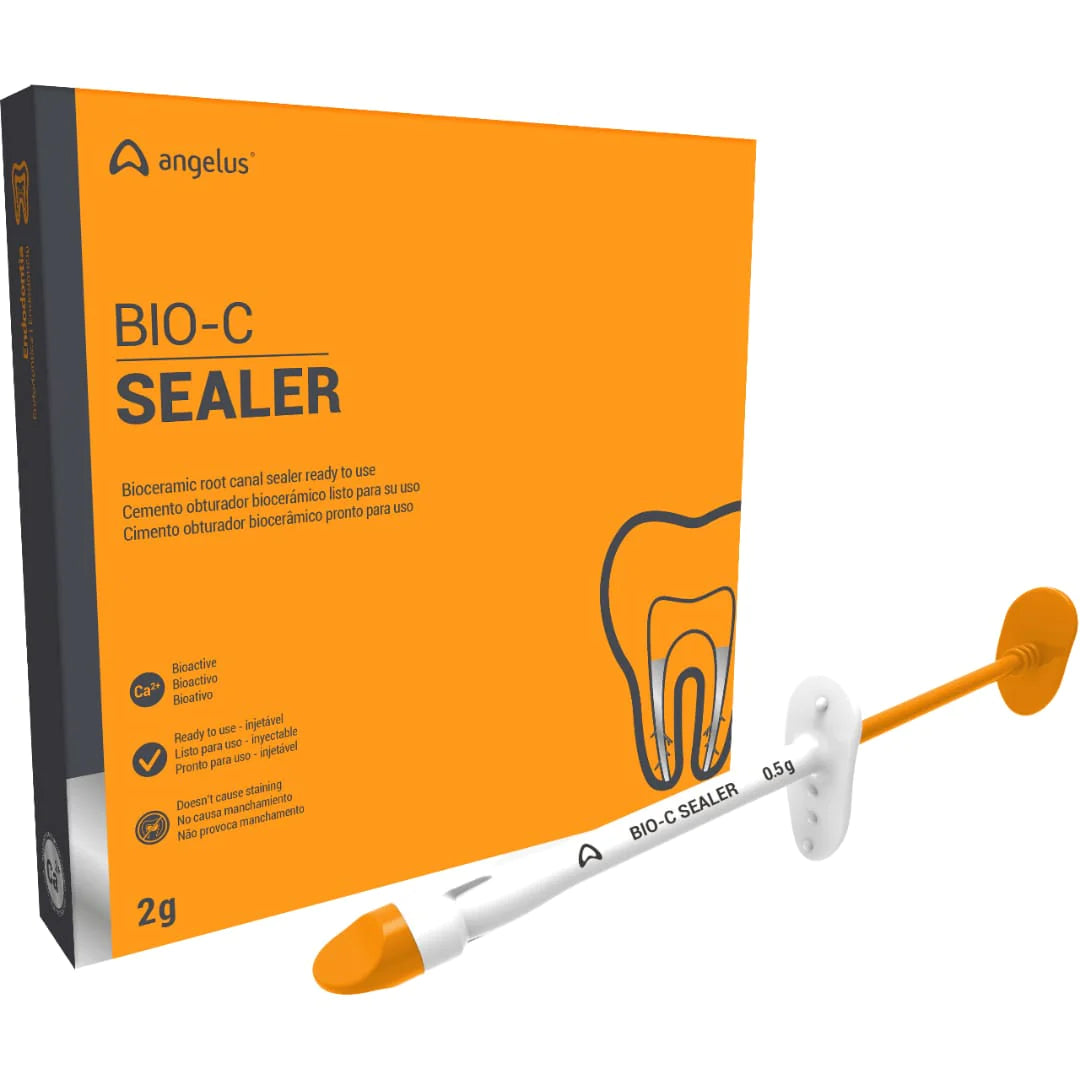
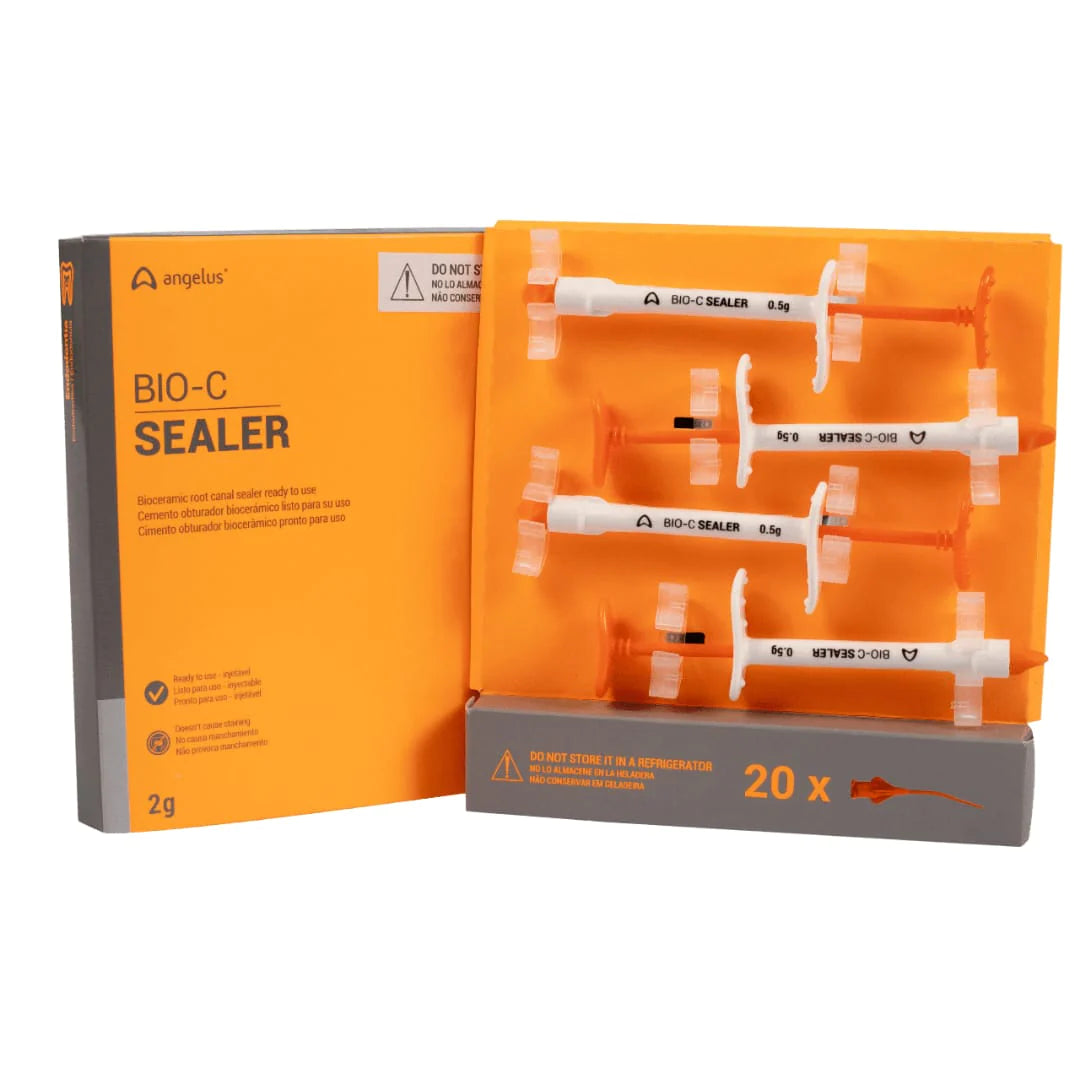
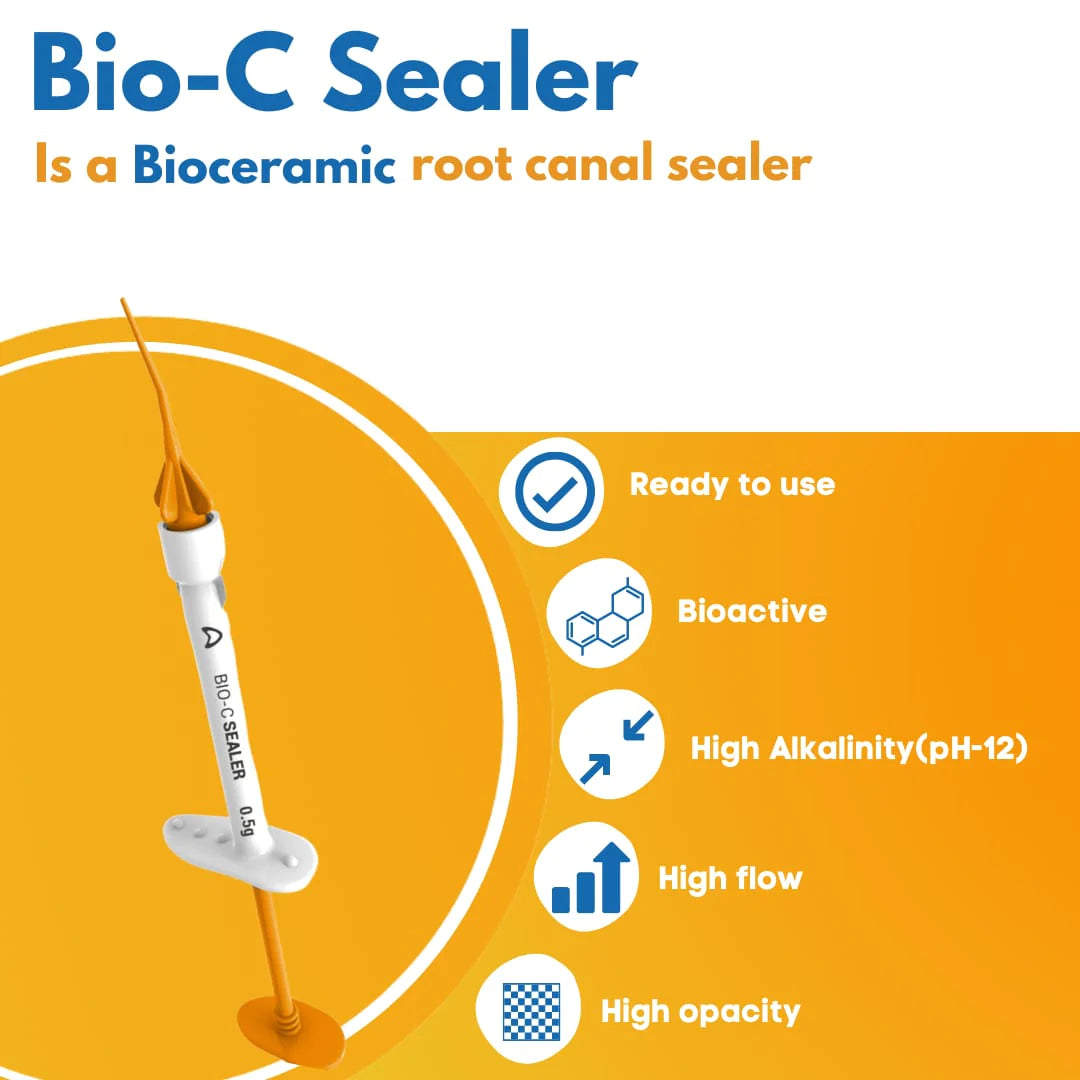
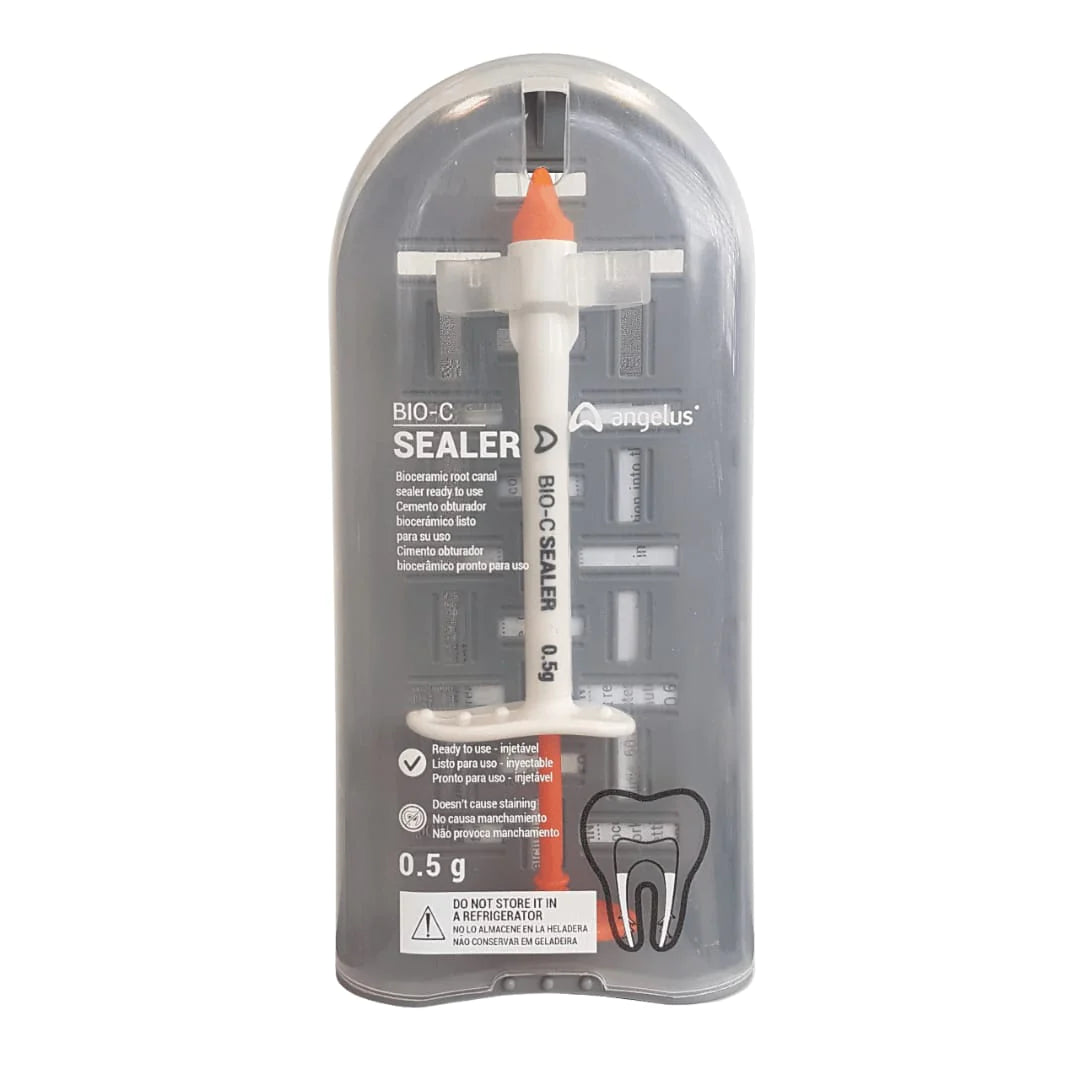
Angelus Bio C Sealer - Bioceramic root canal sealer
Introduction
- Bio-C Sealer is a ready-to-use bioceramic sealer for root canal filling.
- The bioceramic composition allows the release of calcium ions, which stimulates the formation of mineralized tissue.
- Its mechanical and physical properties make it easy to manipulate and seal the canals, and its biological properties and high pH confer safety and treatment success
Flow
- High flowability allows the filling of the main and accessory canal easily.
- The smooth flow ensures that the filling are complete and sturdy
Radiopacity
- BIO-C® SEALER presents high opacity ( ≥ 7 mm of the Aluminium step-wedge), providing an excellent radiographic view.
Setting time
- Bio-C Sealer setting reaction occurs through the contact with the moisture from dentinal canaliculi and periapical tissues, as it is a product with hydraulic characteristics.
- Setting occurs between 60 and 120 minutes.
- The setting time ensures that it is accurate, and provides a longer lasting restoration
Film thickness
- Particle size of less than 2 μm provides thin (> 50 μm) thickness.
- The thinness allows the complete settling of gutta-percha, as well as cement penetration into the dentinal tubules.
Particle size
- Particle size (less than 2 μm) provides Bio-C Sealer with excellent flow, thin film thickness and diffusion to tissues, leading to a faster regeneration.
Release of calcium ions
- The release of Calcium ions is fundamental for the biological and chemical action of a filling cement.
- Bio-C Sealer presents constant release of Calcium to the tissues
- Our product helps in promoting biomineralization and stimulation of the tissues for their fast regeneration
Antibacterial action
- The high pH (12.5) gives Bio-C Sealer an antibacterial action, desirable for endodontic cements,
- The results and treatment prognosis thus provided are favorable and a step in the right direction.
Characteristics and benefits
- Pre-mixed: Ready for use/injectable;
- With Zirconia Oxide: Does not cause staining;
- Bioceramic formulation: High biocompatibility;
- Release of Calcium ions: Bioactivity;
- Alkaline: Antibacterial action;
- Interaction with dentin: High adhesion
- Bio-C Sealer is a non-resin cement that, in addition to its improved biocompatibility properties, also provides an easy pulp chamber cleaning after endodontic obturation.
- EUGENOL FREE: Bio-C Sealer is free of Eugenol and therefore has lower cytotoxicity, does not cause staining and does not interfere with the polymerization of resinous materials (resin cements and composite resins)
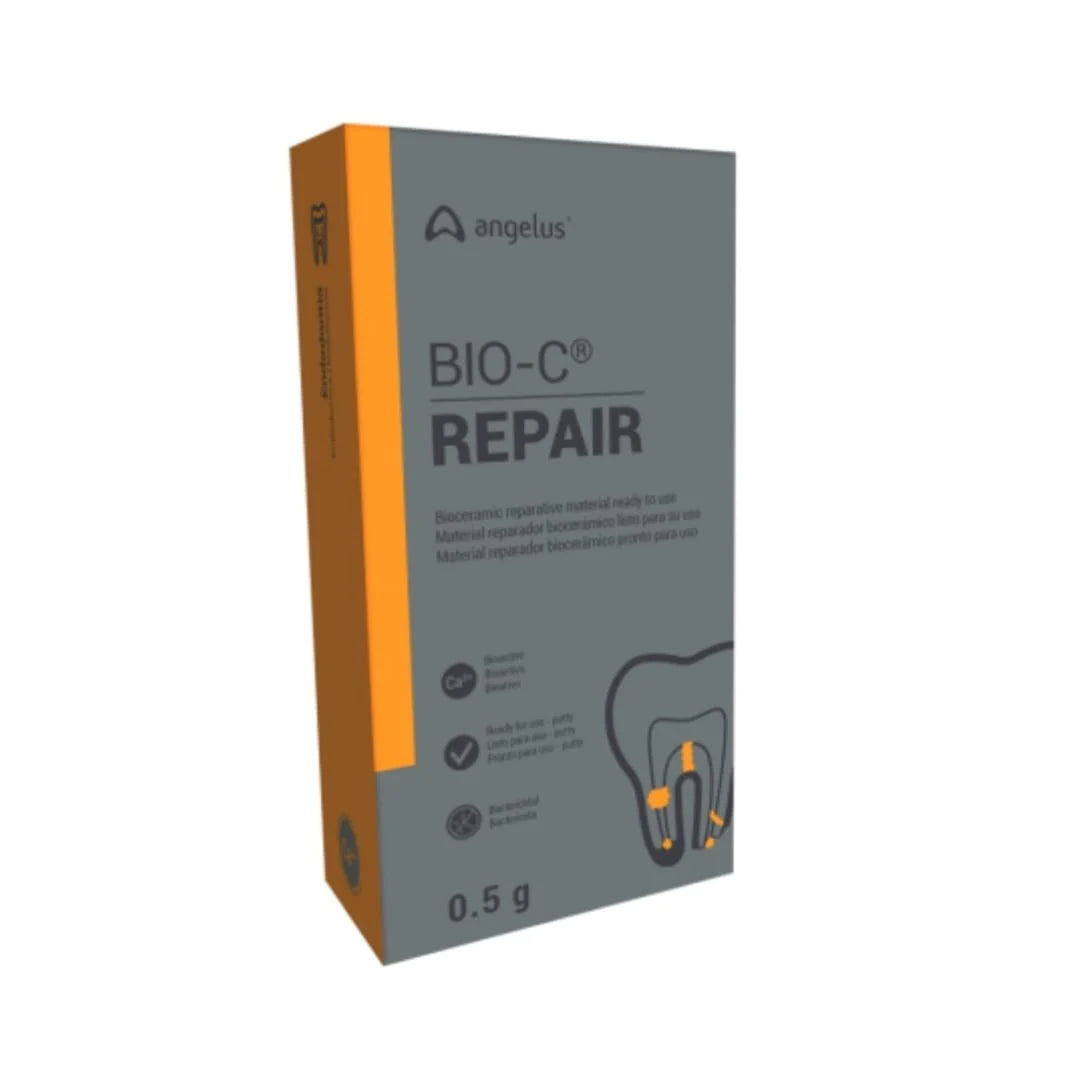
Angelus Bio-C REPAIR - Bio Ceramic reparative material
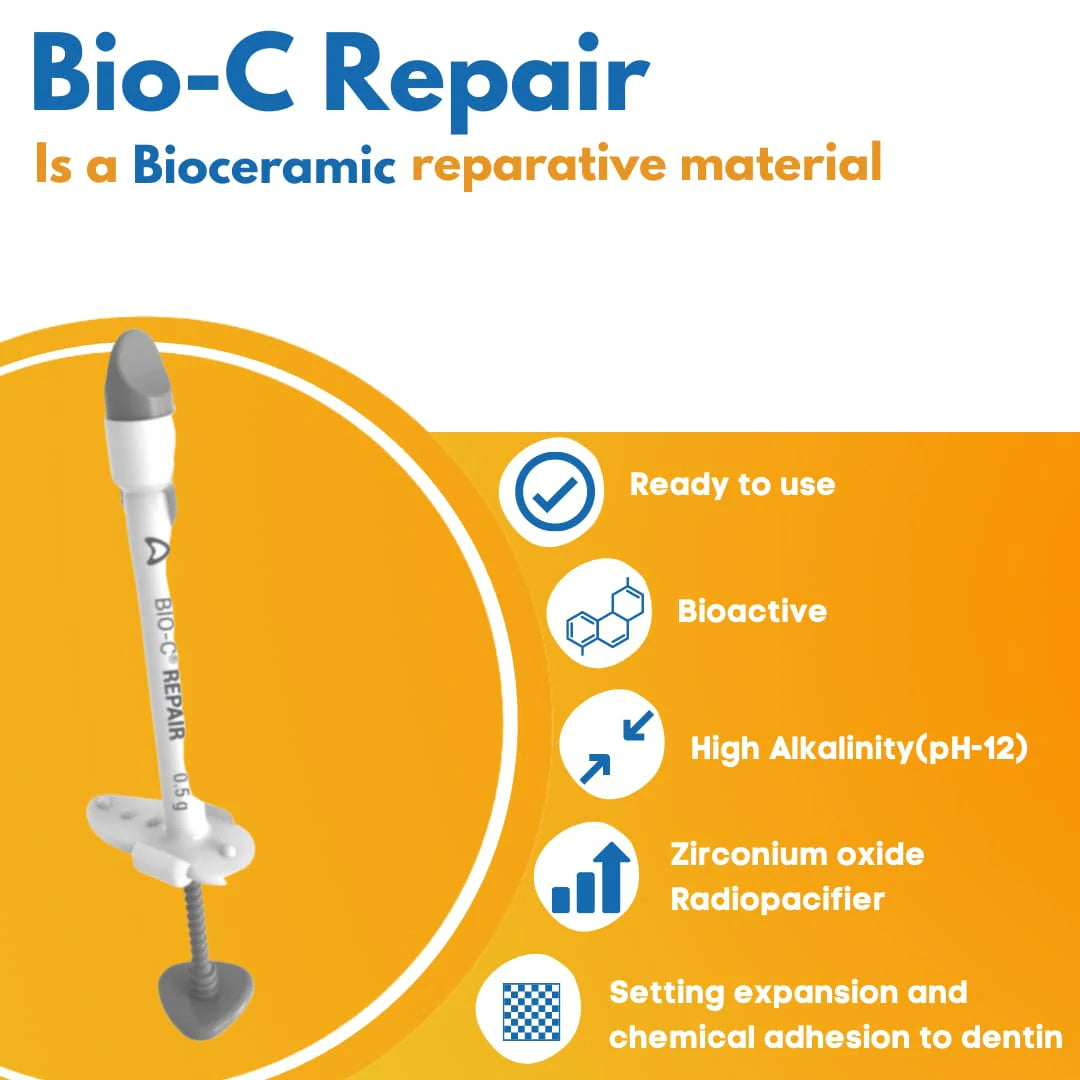
BIO-C® REPAIR is a ready-to-use bioceramic repair cement (putty).
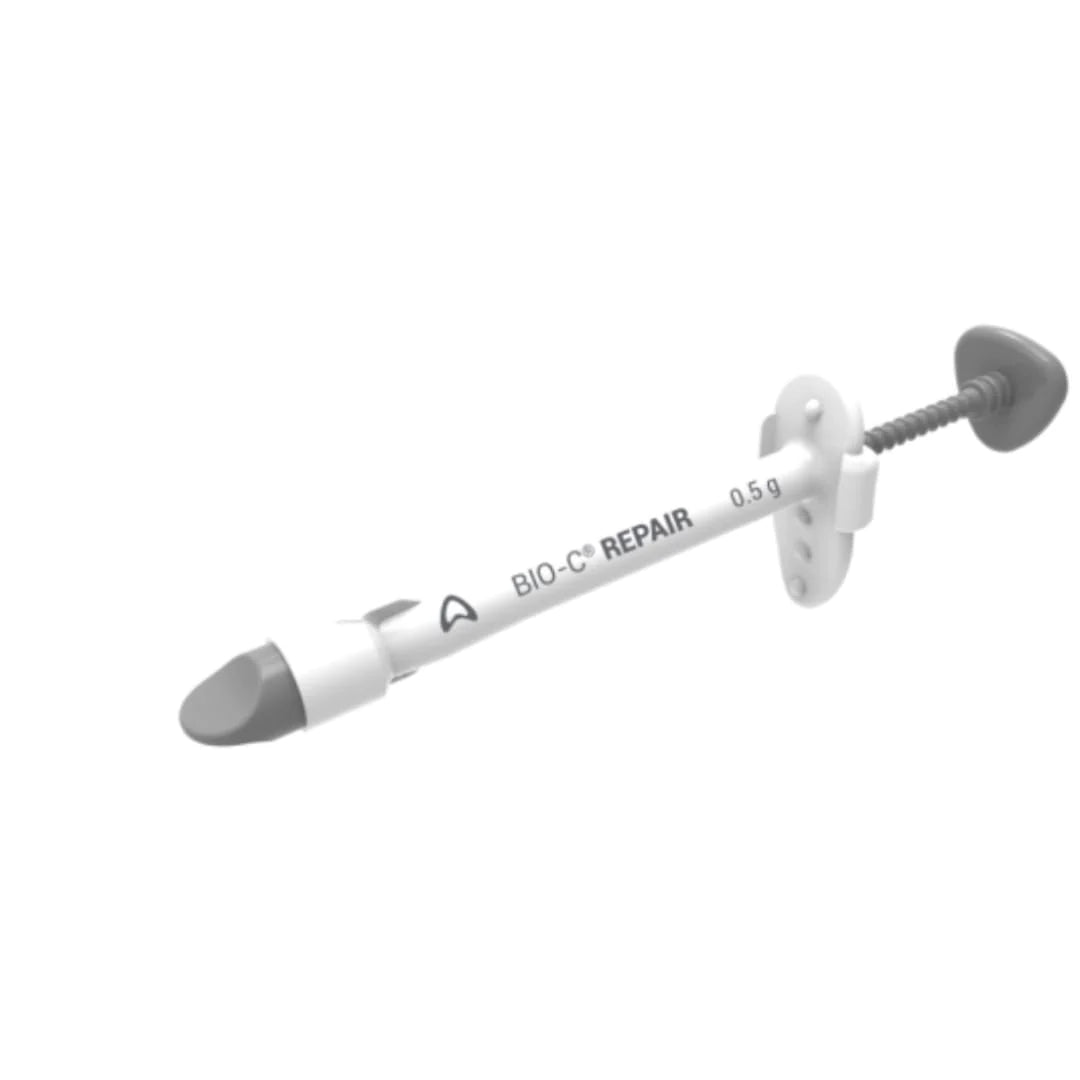
The ready-to-use presentation in a screw-in syringe facilitates the removal of the product for application at the preparation site, simplifying this procedure with great time savings.
In addition to its ease of use, it offers all the benefits of bioceramic formulation: induction of tissue regeneration through the release of Ca2+ ions resulting in the formation of mineralized tissue, bactericidal action due to its high pH, inhibition of bacterial infiltration by setting expansion and chemical adhesion to dentin.
As a result, safety and high rates of success in endodontic treatment are obtained.
Key Features & Benefits
1. Ready-to-use (putty)
2. Bioactivity/Release of Ca2+ ions
3. Bactericidal (pH ~ 12) - Promotes local decontamination
4. Setting Expansion (0.092 ± 0.05%) - Prevents bacterial infiltration
5. High Radiopacity - Promotes biomineralization by providing rapid tissue regeneration.
6. Does not stain tooth structure - Zirconium oxide as a radio pacifier that does not stain the dental structure.
7. Non-resinous composition - It allows use in humid environments without loss of properties, especially in surgeries where humidity control of the operative field is a challenge in the procedure.
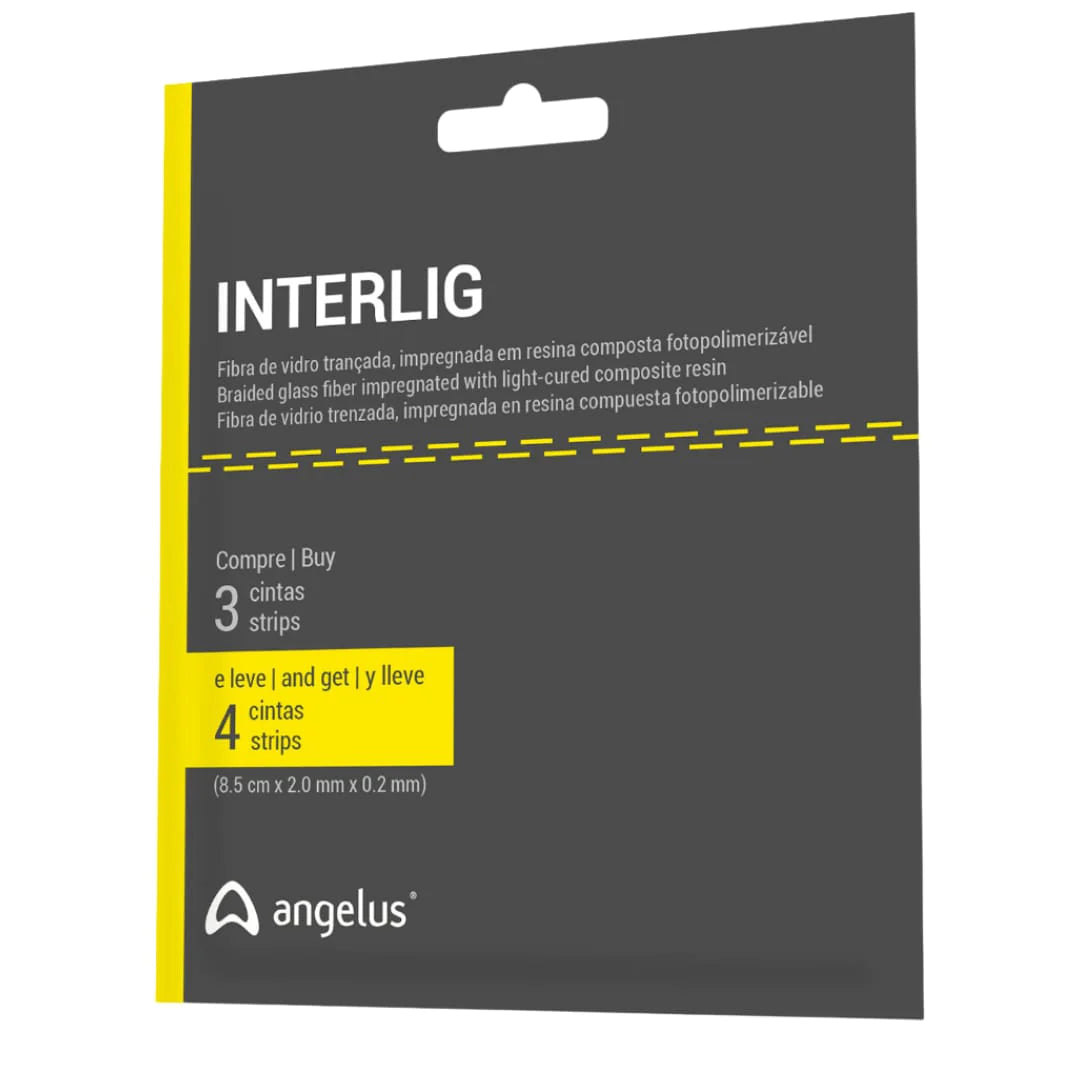
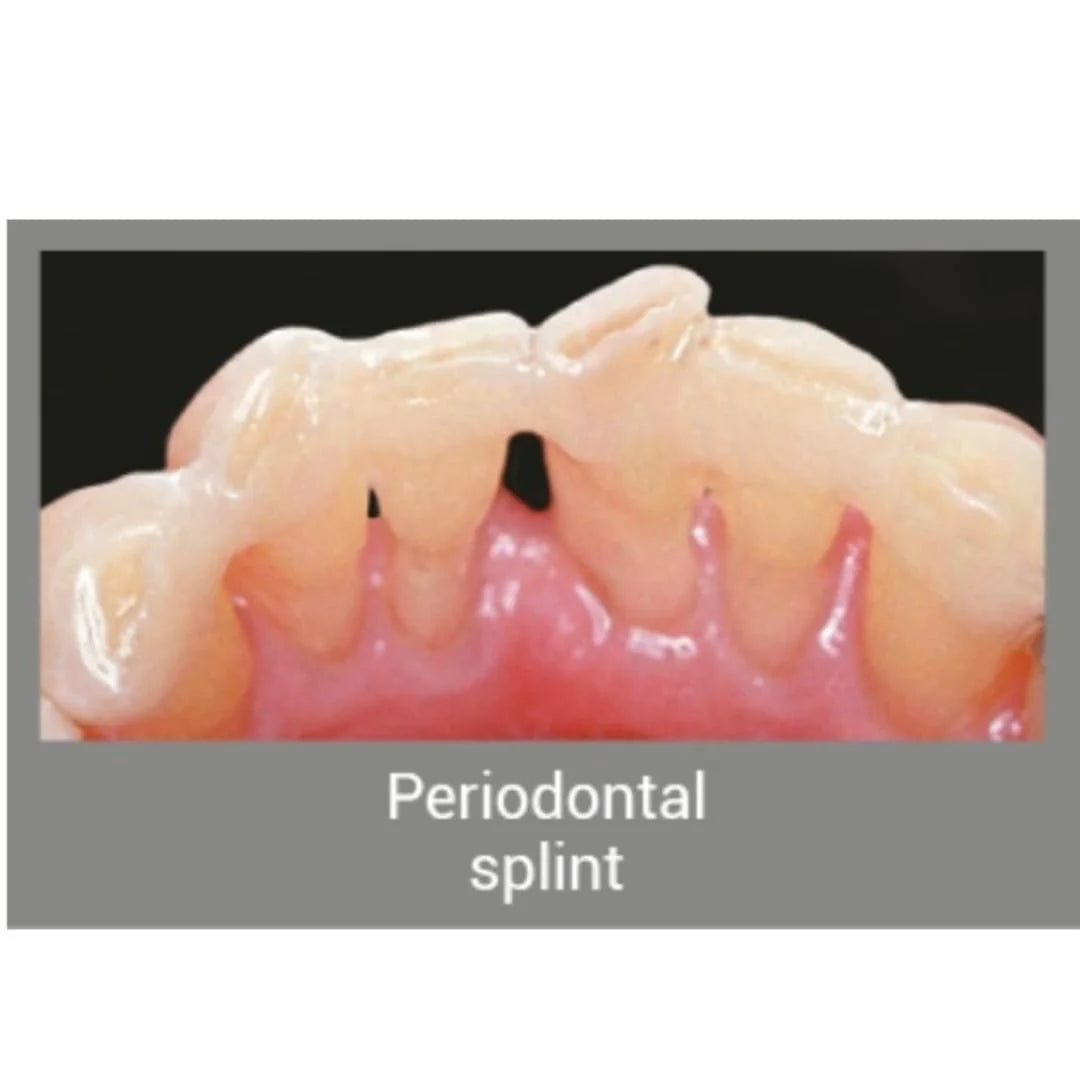
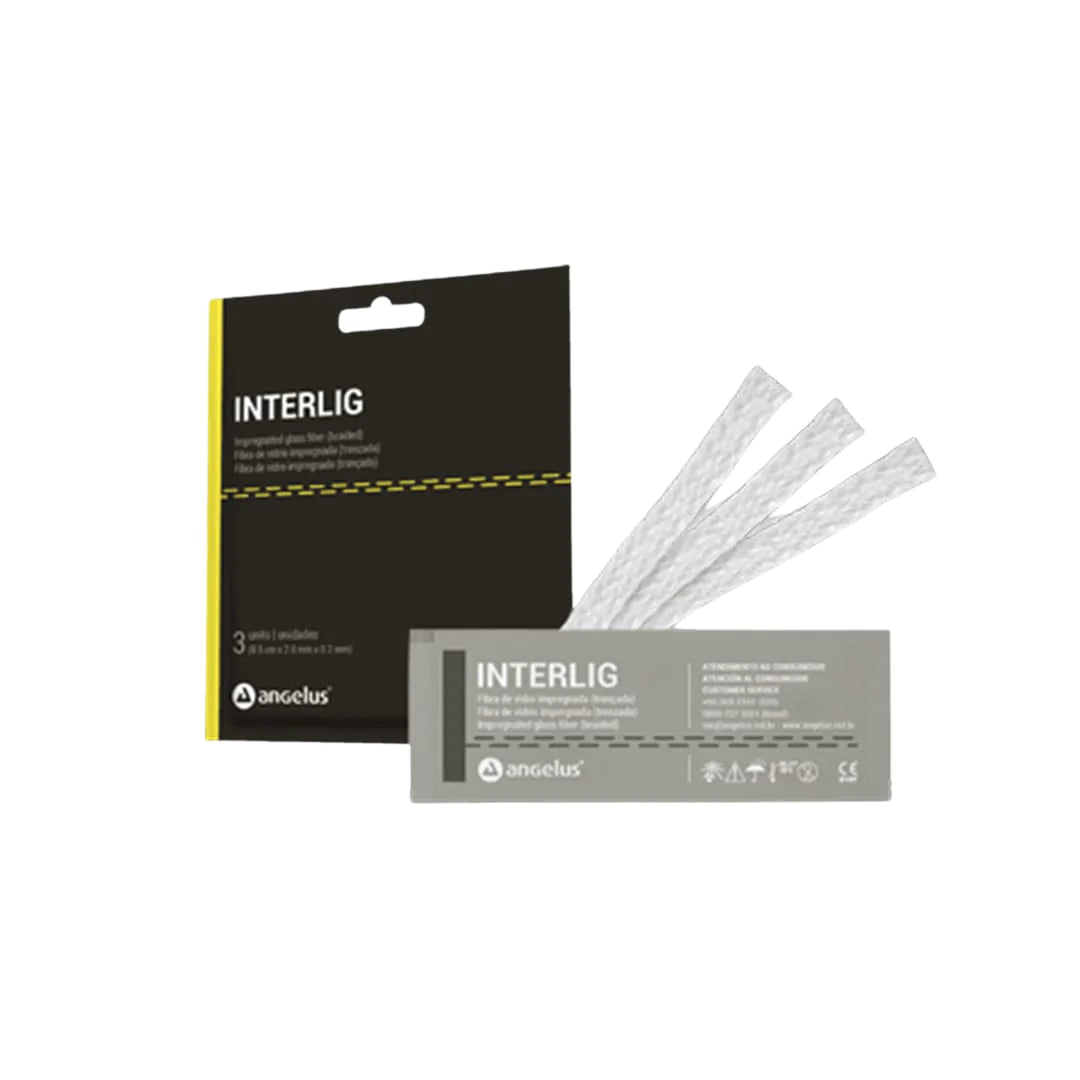
Angelus Interlig - Braided glass fiber
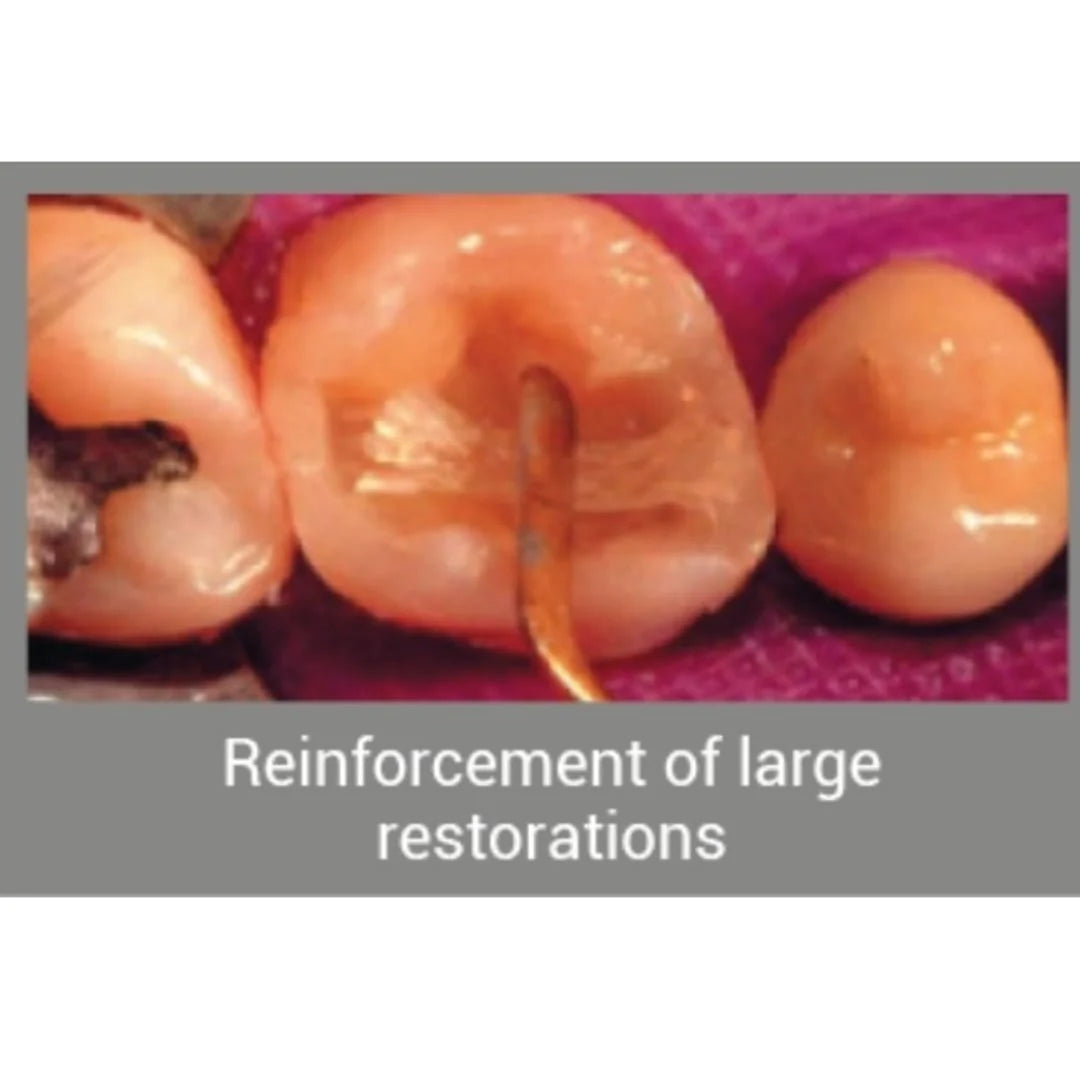
Braided glass fiber impregnated with light-cured composite resin used in Splinting in periodontics, Splinting of traumatized teeth, Fabrication of adhesive direct temporary prostheses. Reinforcement of large restorations.
Interlig is a reinforced composite material with glass fibers, for use in the clinic, with a range of applications: temporary periodontal or orthodontic immobilization, for emergency treatment of teeth lost due to periodontitis, pre-surgical splinting, for the reinforcement structure of fixed prosthesis, either mediate or immediate, for making intraradicular cores, for space retaining in primary or permanent dentition, for reinforcement of acrylic structure (provisional, total prostheses), for reinforcement of large restorations of composite resin. Interlig glass fibers are intertwined, which facilitates the use by the dentist. Their maleability is superior than that of the polyethylene fibers.
Interlig can be cut with any cutting instrument, and does not require special equipment. The glass fibers are impregnated with light-cured composite resin, and for this reason, no other type of adhesive or resin is needed to impregnate them.
Pre-impregnation facilitates handling and improves bonding between the glass fibers and the composite resin. The fibers are pre-impregnated with an unfilled resin matrix, using an immersion process with controlled time and temperature, in order to guarantee complete absorption and, consequently, guaranteeing the better mechanical performance of the product.
Aesthetics
The translucency of Interlig fibers and of the resin matrix provides high aesthetic resolution
Strength
The structural composition of Interlig® fibers and their preparation for dental use ensure their high resistance to bending, ensuring their indication for a wide range of clinical situations
Versatility of use
Interlig width can be adapted for use in various clinical activities
Excellent bonding to composite resin
The pretreatment of the Interlig fibers allows for perfect adhesion to resins in use in the clinic
Convenience of use
does not require special tools for cutting and comes already impregnated with resin
Reversible and minimally invasive technique
due to its adhesion to the adhesive and resin systems, work done with Interlig does not require invasion of the tooth structure
Time-saving
work with Interlig can be performed directly in the mouth, allowing for its completion in one session
Low cost
Compared to traditional techniques, using Interlig® allows you to perform more attractive and durable work, with a better cost-benefit ratio
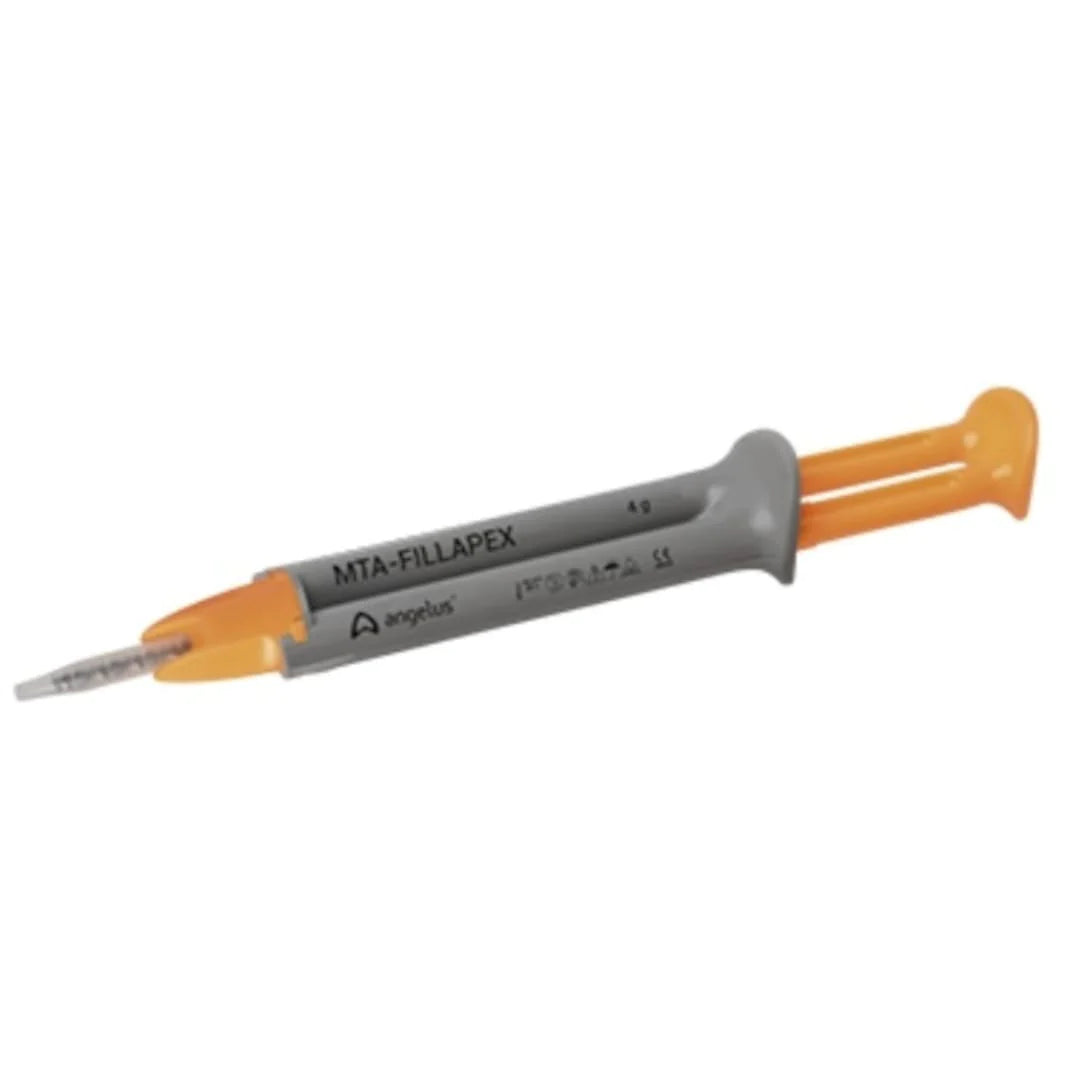
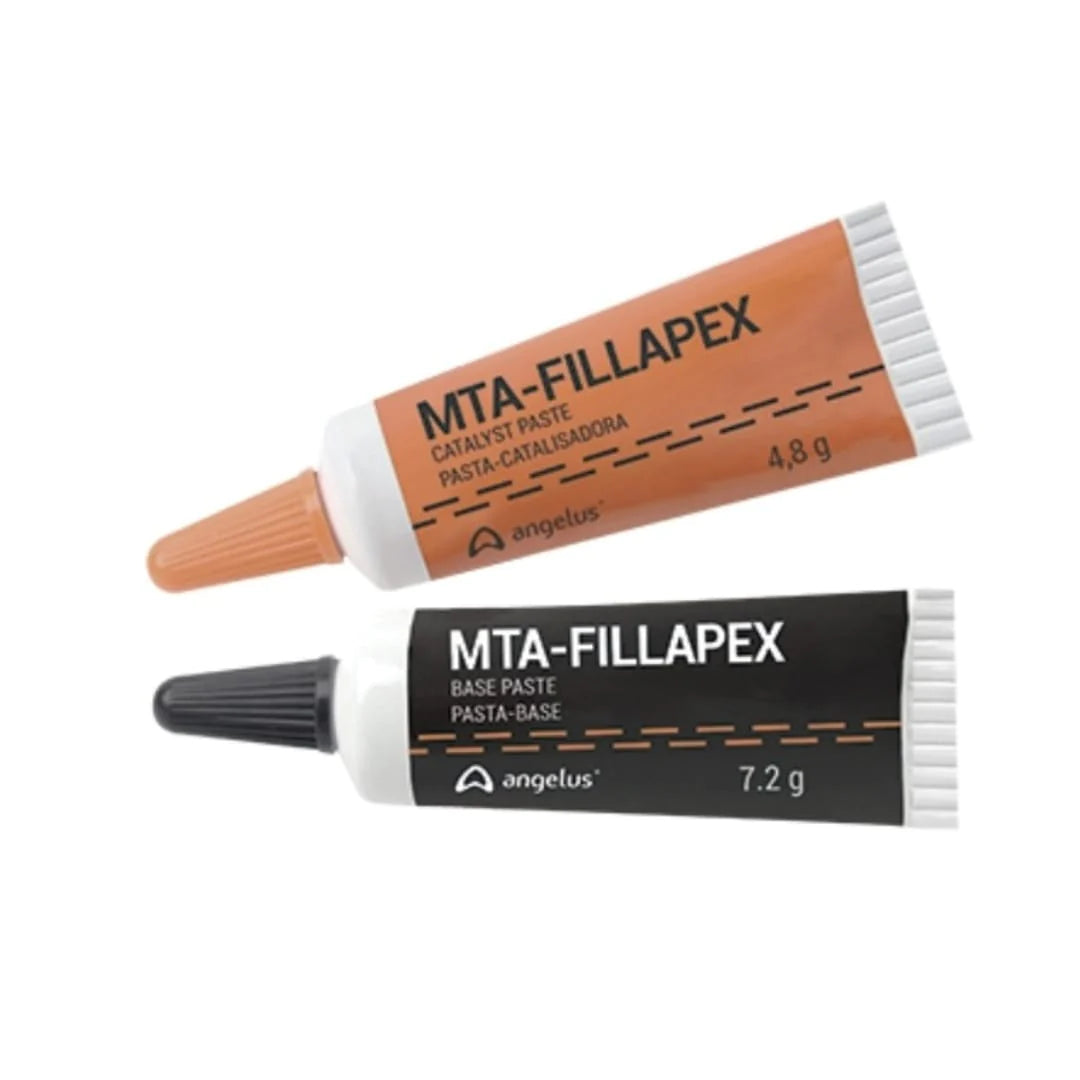
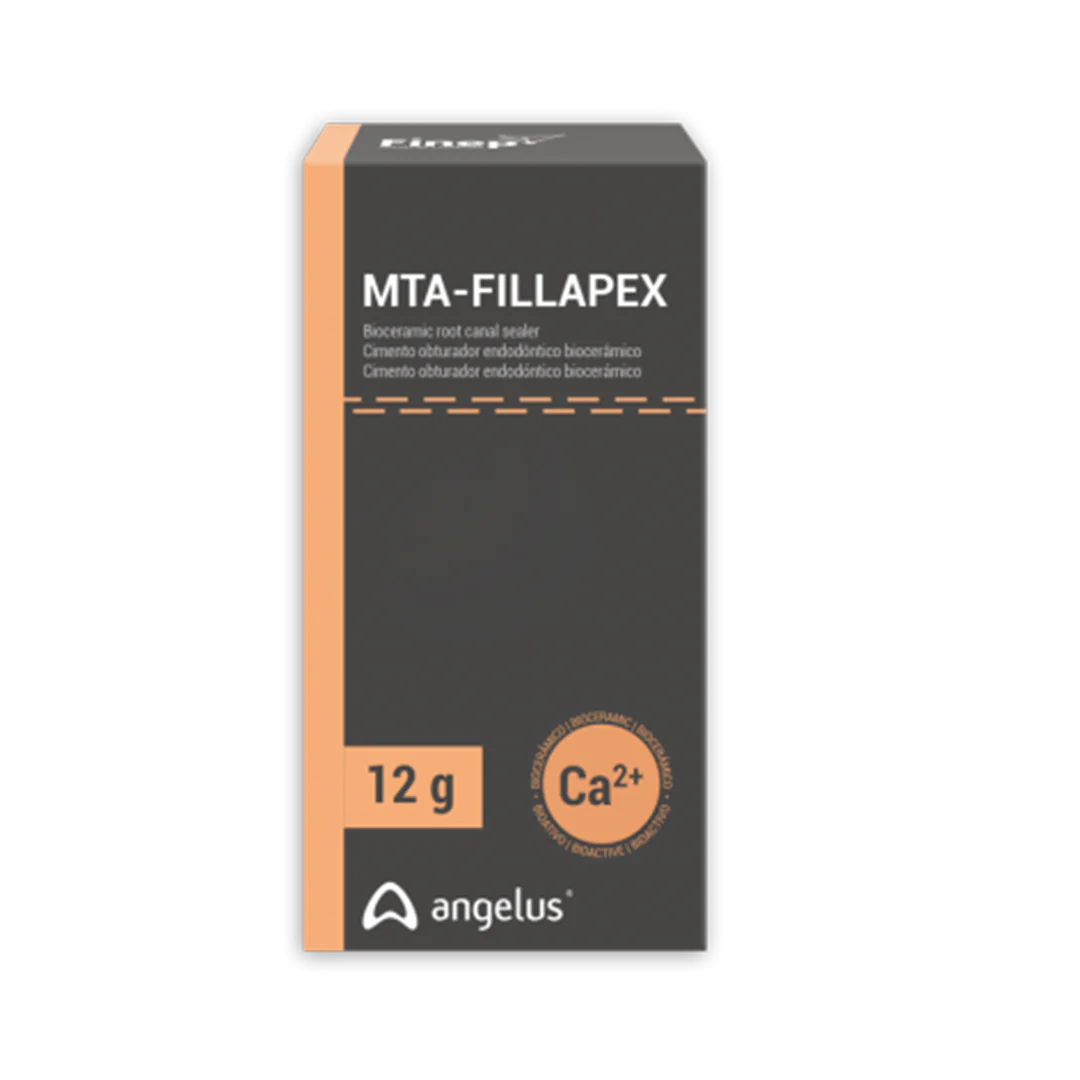
Angelus MTA Fillapex - Bioceramic root canal sealer
Properties of MTA Fillapex
Chemical
A. Setting Time
MTA-Fillapex showed average setting time of 130 minutes (2 hours and 10 minutes) with a variation of ±10 minutes.
B. Solubility
The material showed a variation of 0.1%, after submission to the phenomenon of solubility, a value lower than the maximal variation accepted by ISO which is 3%.
C. Setting Expansion
The setting expansion of the material decreases apical leakage
Physical
A. Flow
MTA fillapex has optimized flow and a low film thickness for easy penetration into lateral & accessory canals
B. Radiopacity
The optical density of the sealer must be equal or superior to the area of the aluminum scale that corresponds to a thickness of 3 mm. Software Image J was used to calculate the optical density in pixels. MTA-Fillapex presented a value 146% superior to the 3 mm of the aluminum
C. Film Thickness
Proves its high filling capacity, even in secondary and accessory canals.
D. Dimensional Change
ISO sets that the average dimensional change of the material should not exceed 1.0% shrinkage or 0.1% expansion.
The material fulfilled the requirements standardized by ISO, with an average dimensional change = 0.088% expansion.
Biological
A. Sealing of root canals
MTA-Fillapex shows an optimized flow due to the nanoparticles. It provides excellent filling and sealing of the main and lateral canals.
Benefits
- Fast tissue recovery without causing inflammatory reactions
- Great radiographic visualization
- Allows filling of accessory canals
- Perfect sealing
- Helps in the quickly recovery of bone and cementum formation
- Faster recovery from lesions
- Easy to manipulate
- Easy to remove with gutta-percha solvents
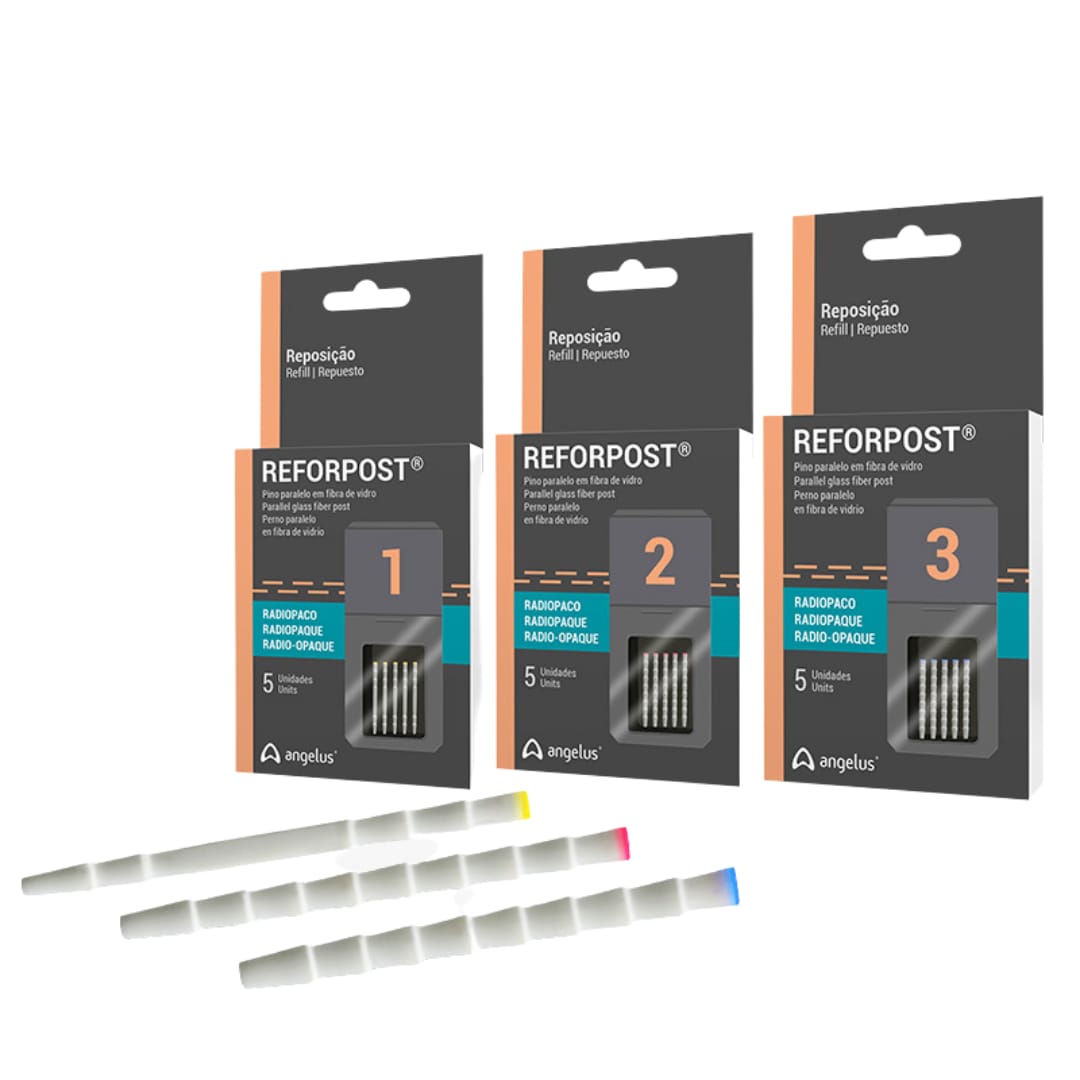
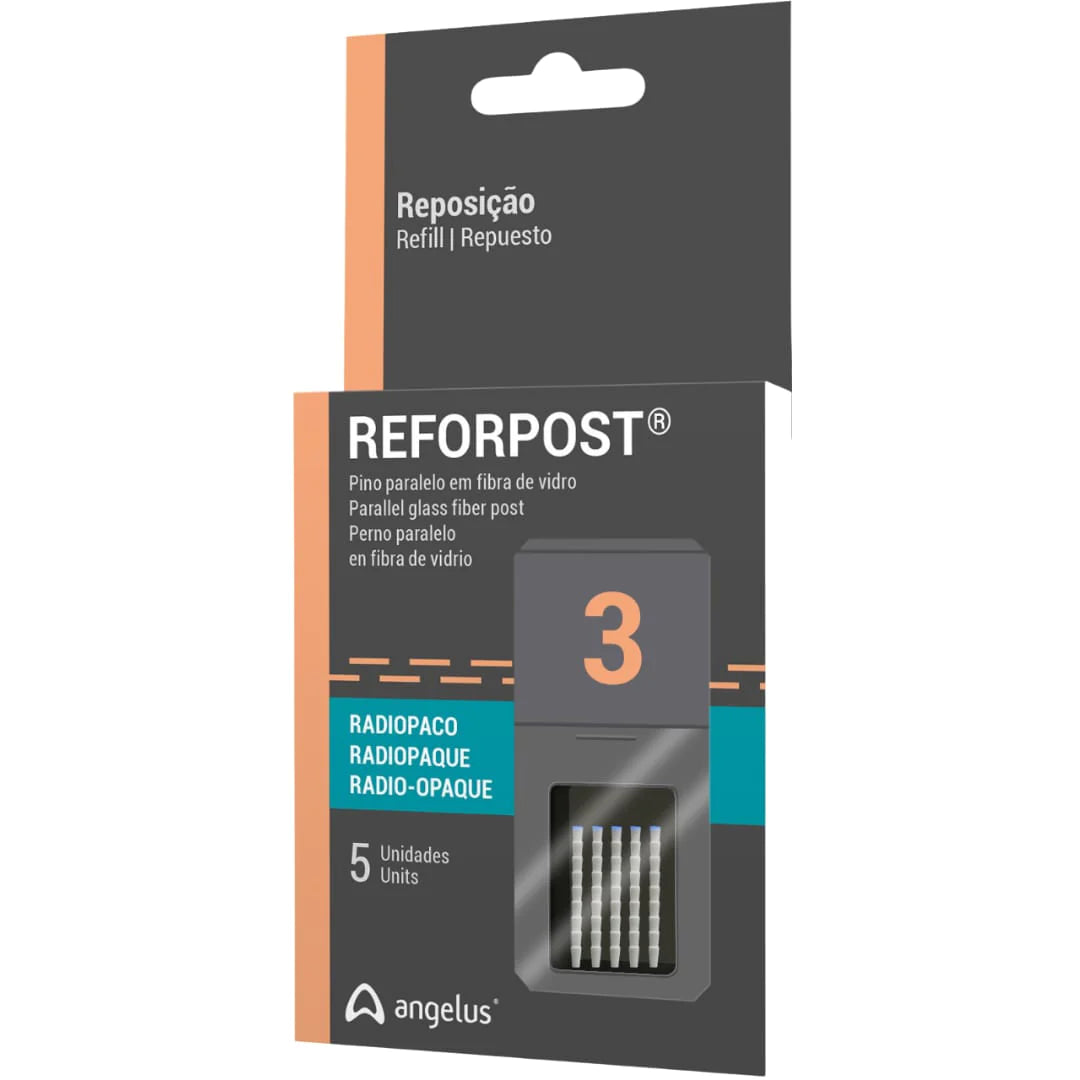
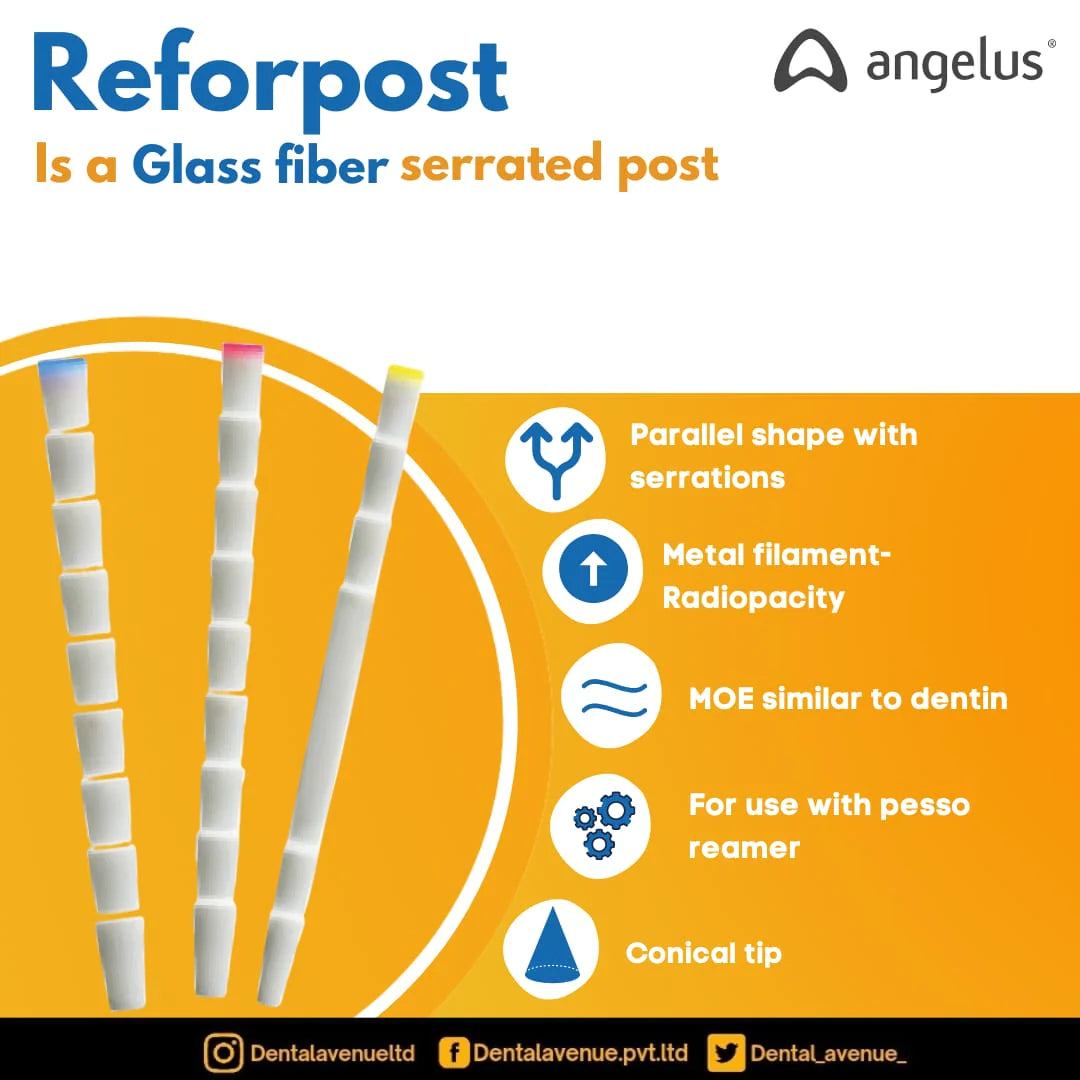
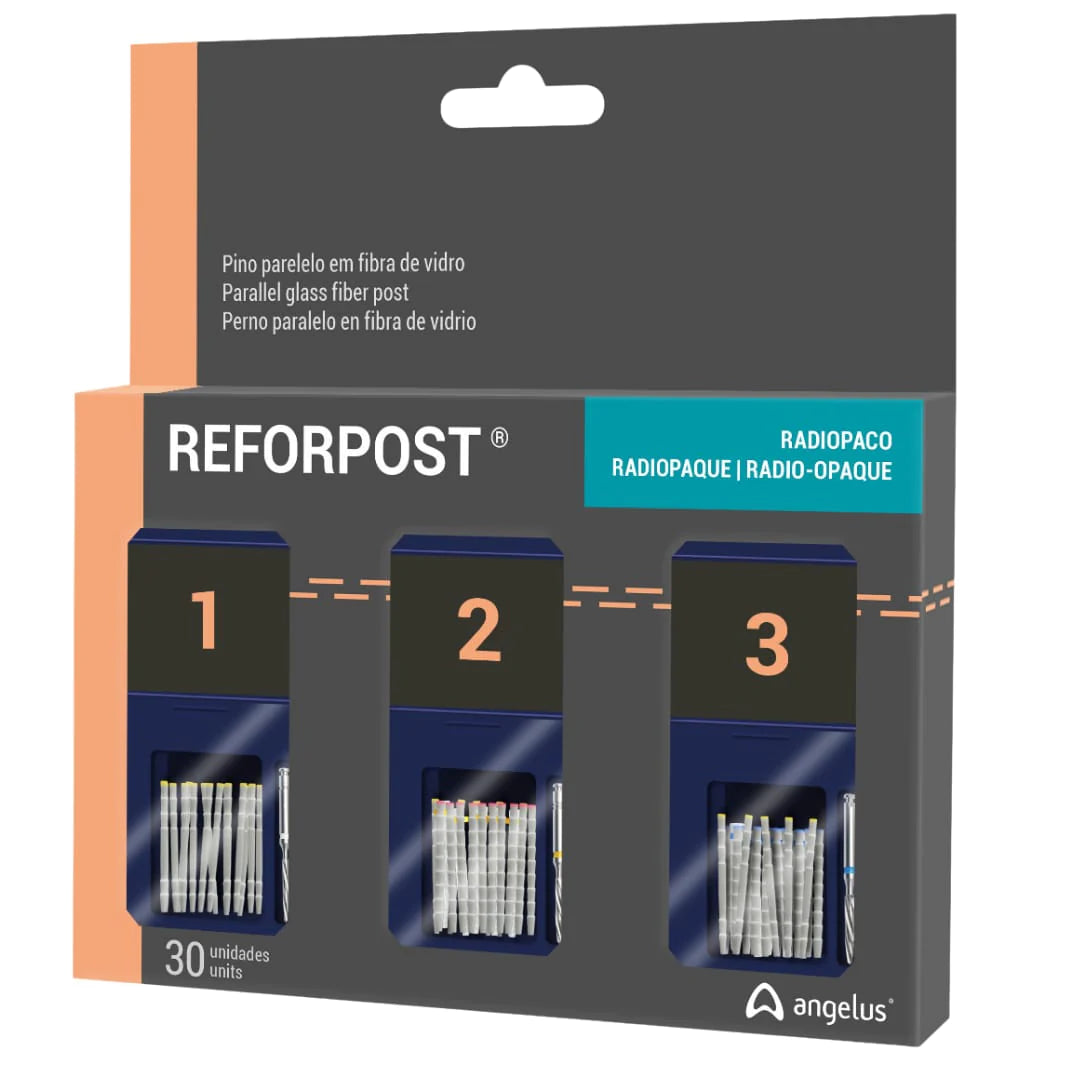
Angelus Reforpost fiber glass - Retentive shape, parallel intraradicular post with conical tip.
High retentiveness
The cylindrical, parallel shape and tapered apex of the Glass Fiber Reforpost make them very retentive. The additional circumferential mechanical retentions of the posts increase the area for adhesion of the cement.
Less wear on the tooth structure
The use of Glass Fiber Reforpost in combination with the techniques of adhesive cementation allows for a smaller removal of dental structure, without the need for removal of intraradicular or coronal retentive areas. The tapered apical portion of the post also provides for less wear of dentin in the apical region.
Identification colors
Better identification and agility in the work
Standardized for Largo burs
Benefits
- Great retention
- Allows radiographic visualization
- Easy removal
- Easy to adapt
- Great mechanical properties
- Lower risk of root fracture
- less tissue removal in apical third of root canal
- Saves clinical time and decreases lab costs
Time and cost saving
The technique of making prosthesis with pre-fabricated Fiber/Metal posts allows for creation of the post/core in a single session, eliminating steps and laboratory costs
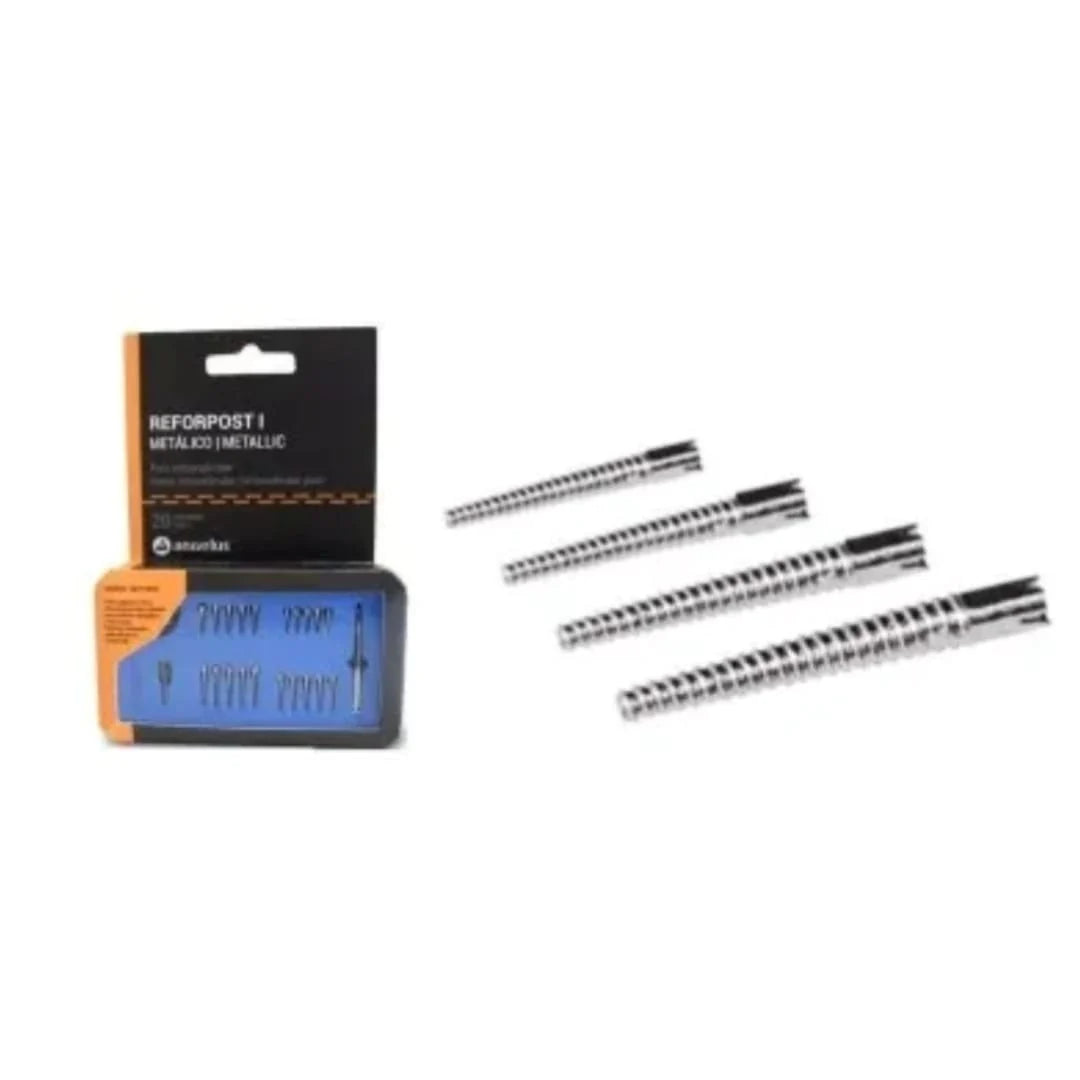
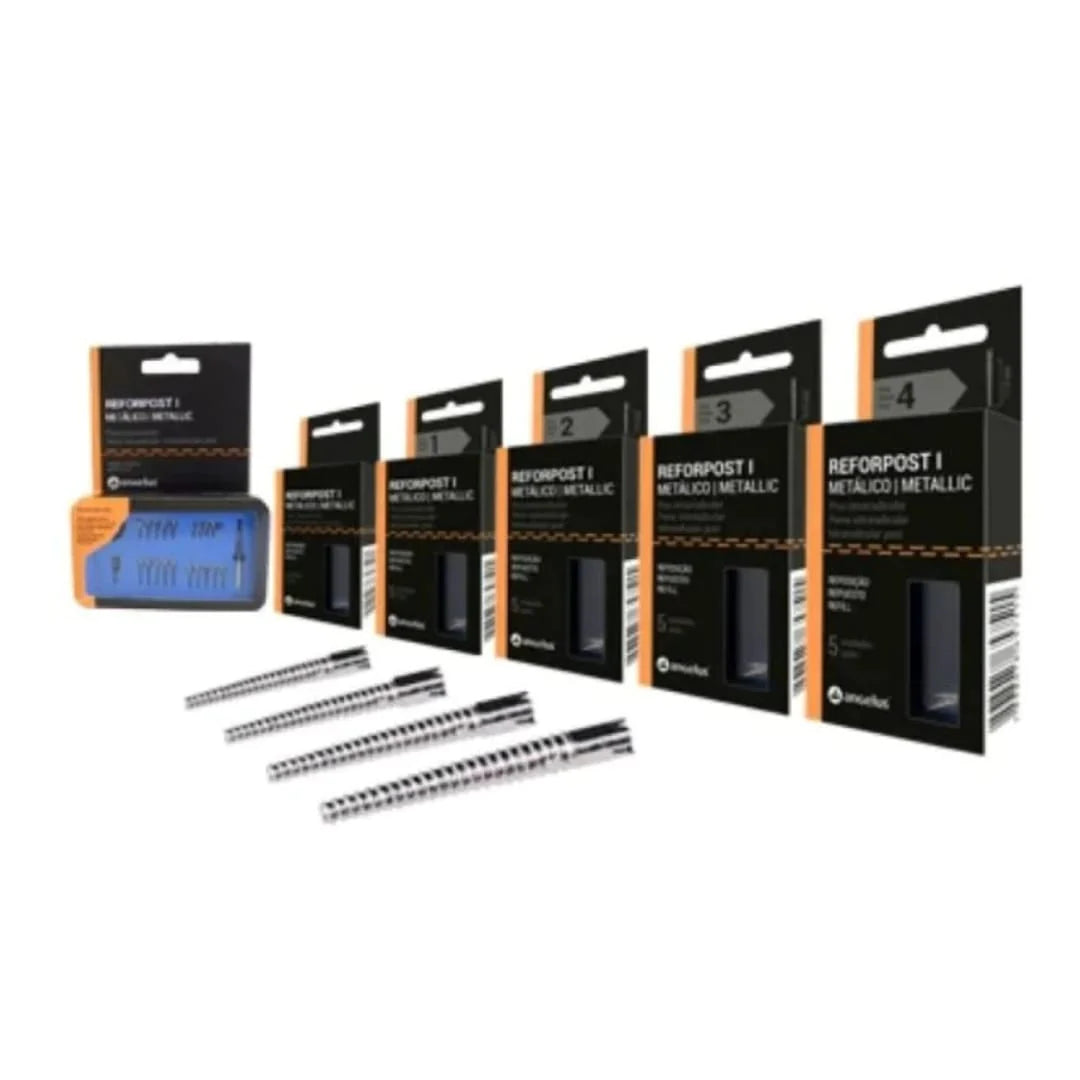
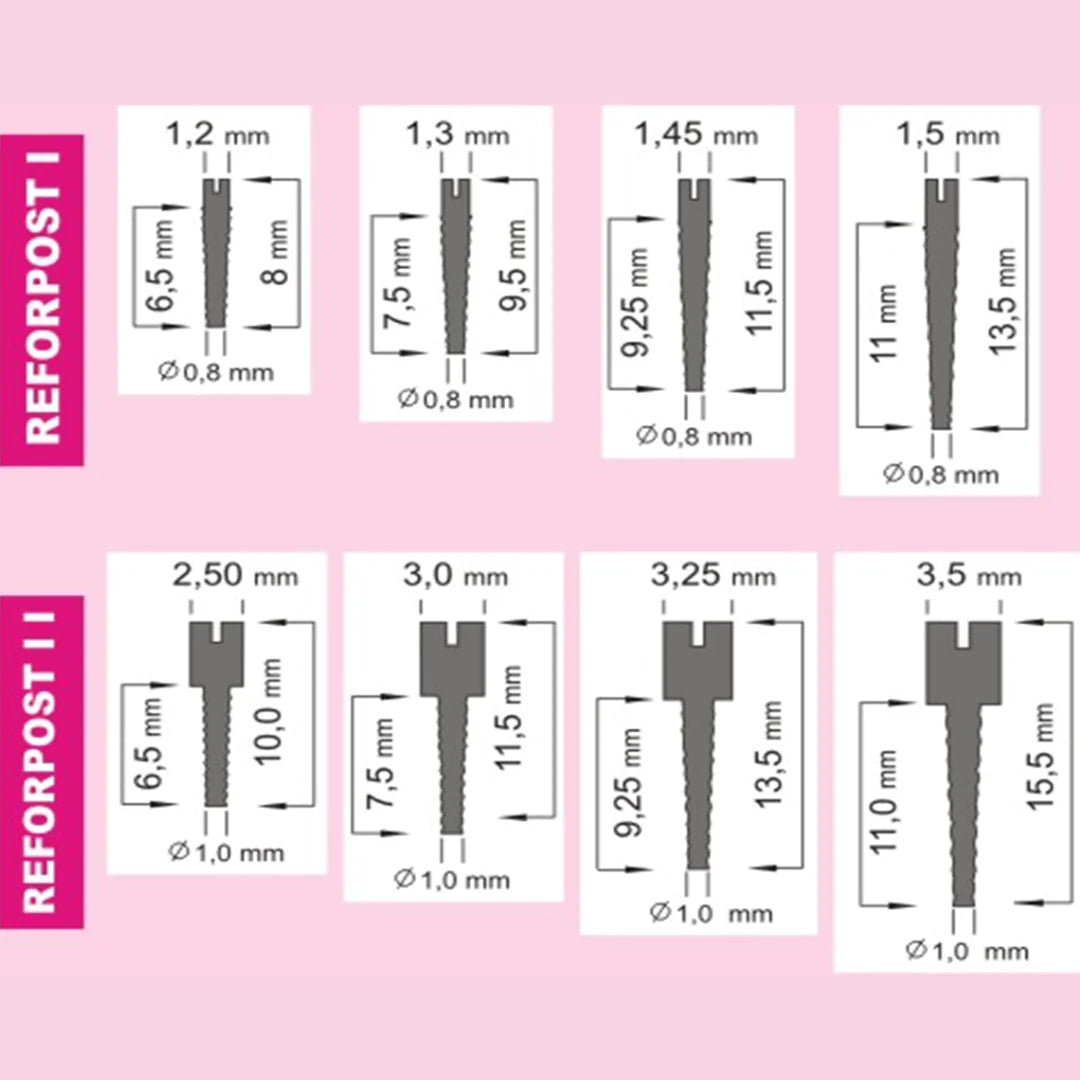
Reforpost Metallic - Passive tapered intraradicular post system
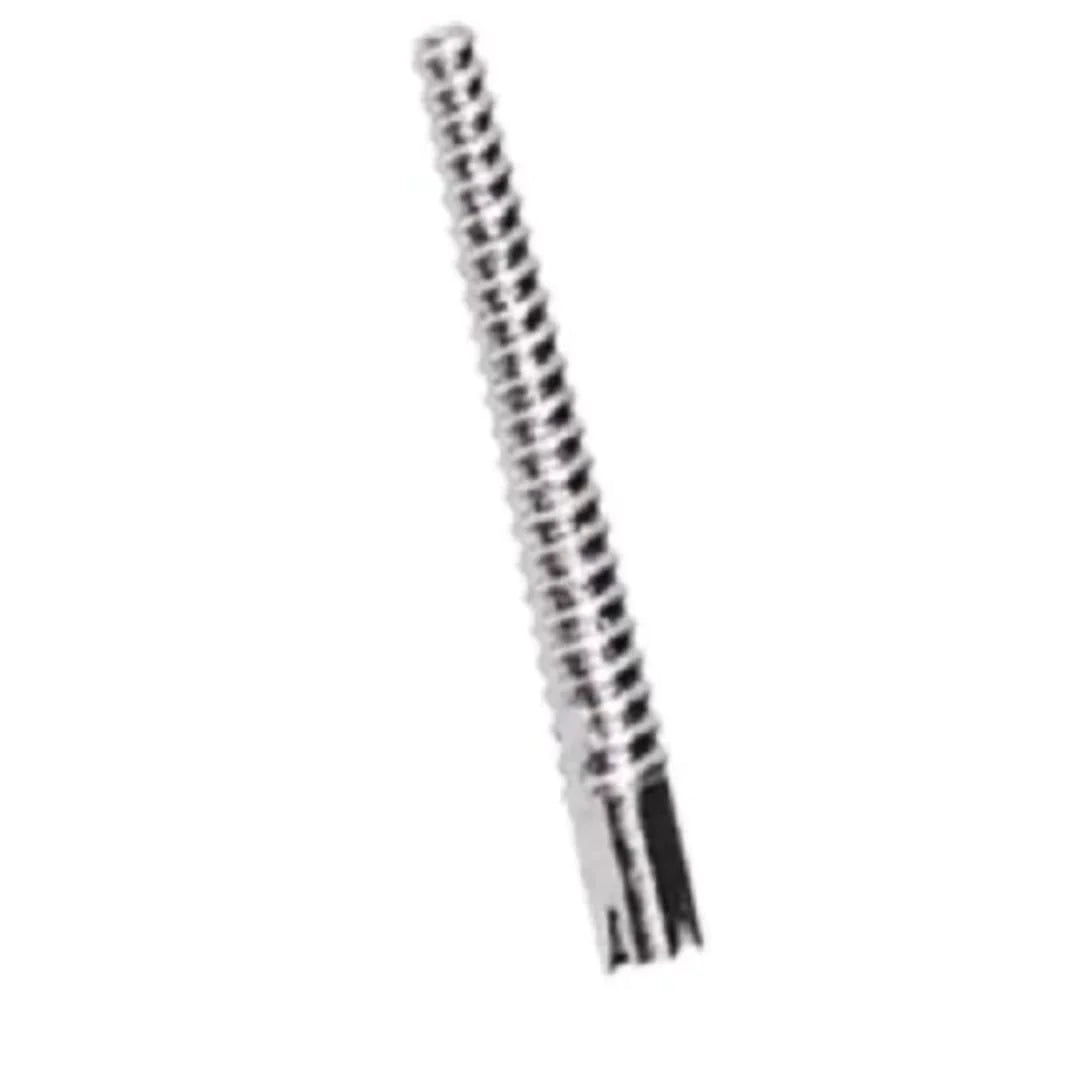
Reforpost Metal - Surface texture
Angelus Metal post serrated or roughened surface is more retentive than a smooth one. Controlled grooving of the post and root canal also increases the retention of the post
Reforpost Metal- Passive post system
It must be cemented passively. Active Screwable posts are harmful to the dental structures
Superior retention is observed in active THREADED POST, but it exerts a greater amount of stress on the remaining tooth structure which increase the potential for root fracture.
Luting agents for post cementation
Currently there are 3 types of cement available for post cementation Resin cements, GIC & zinc phosphate.
Self cure resin cement is the material of choice for post cementation as it has highest compressive strength along with negligible solubility. GIC bonds chemically with the dentin and is not technique sensitive. The most traditional of all cements is zinc phosphate, which has adequate physical properties, economic and easy to use as of which it remains as choice of material for post cementation for around decades.
Factors affecting retention of post
- Post space preparation
- Luting Agent
- Post surface Texture
- Post Diameter
- Post Length
Benefits
- Saves clinical time and decreases lab costs
- Easy to use
- Easy to adapt
- No generation of stresses
- Excellent retention for the cement
Time and cost saving
The technique of making prosthesis with pre-fabricated Fiber/Metal posts allows for creation of the post/core in a single session, eliminating steps and laboratory costs
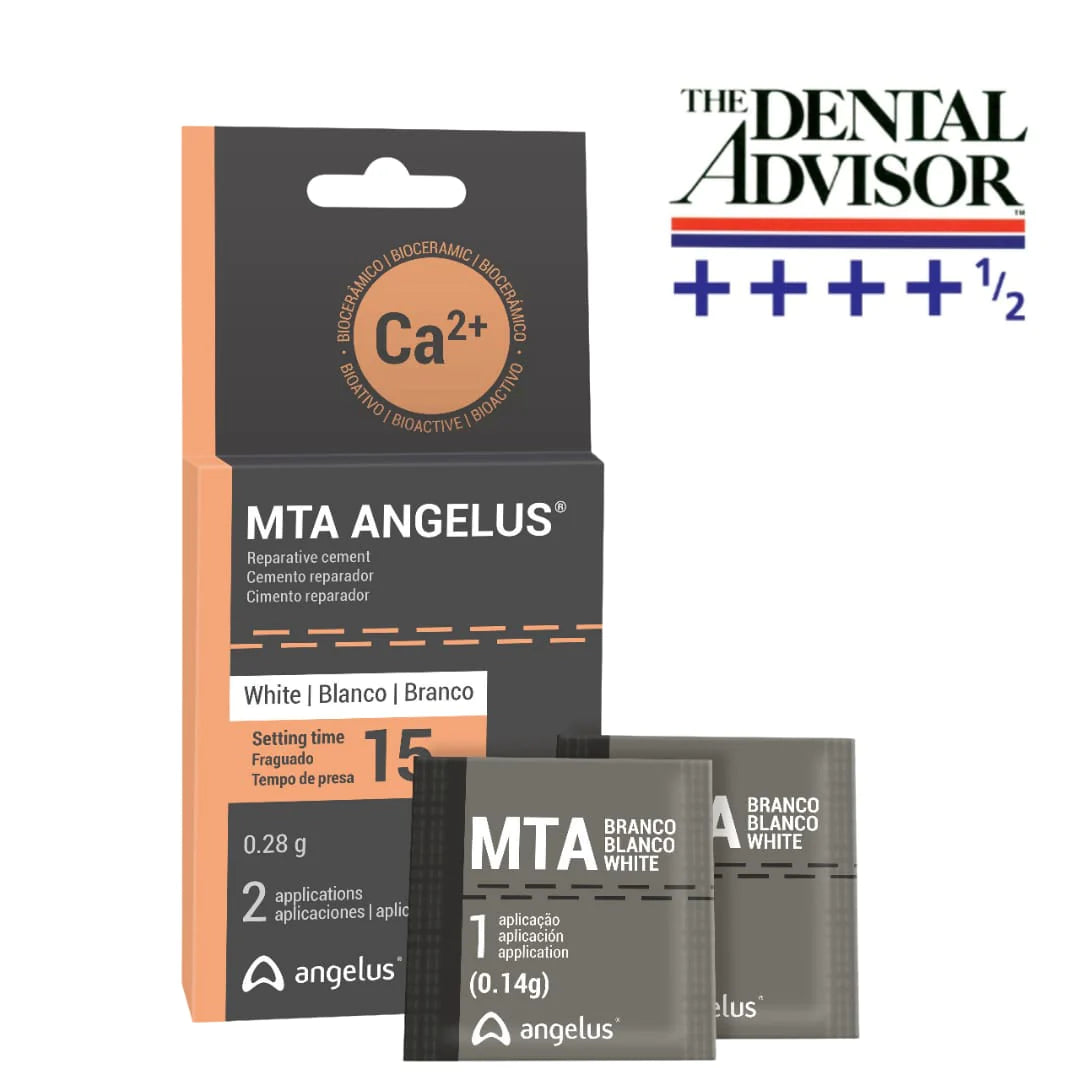
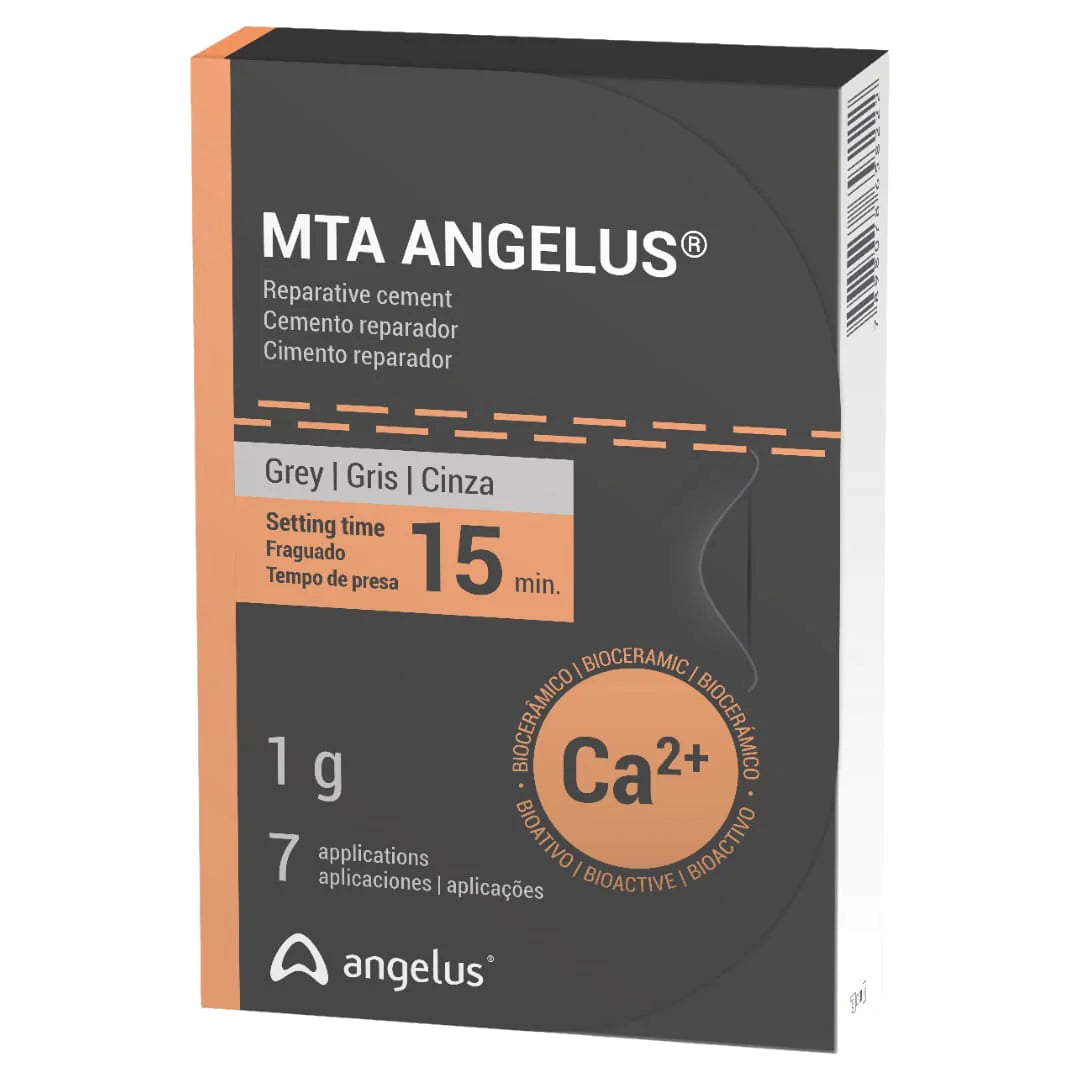
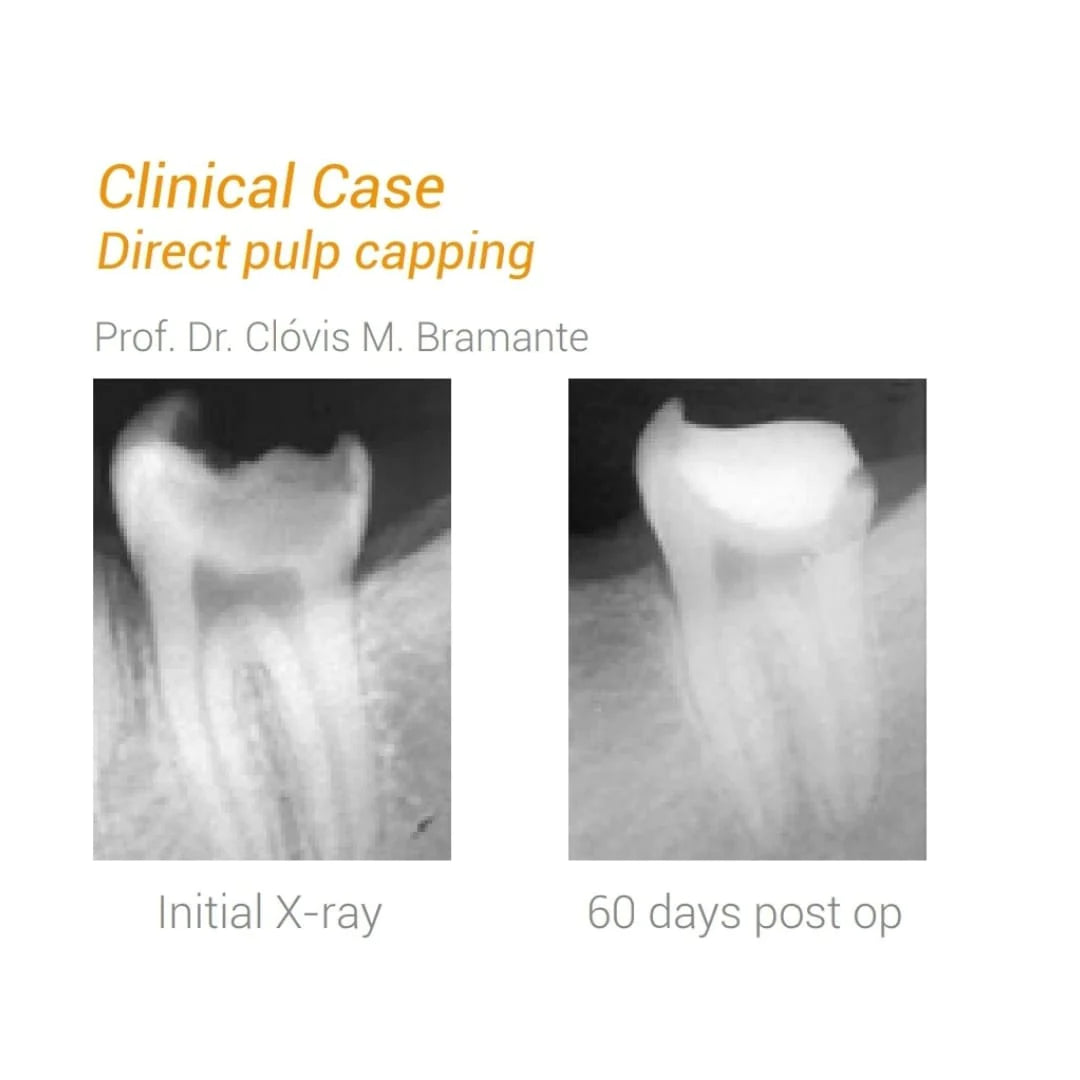
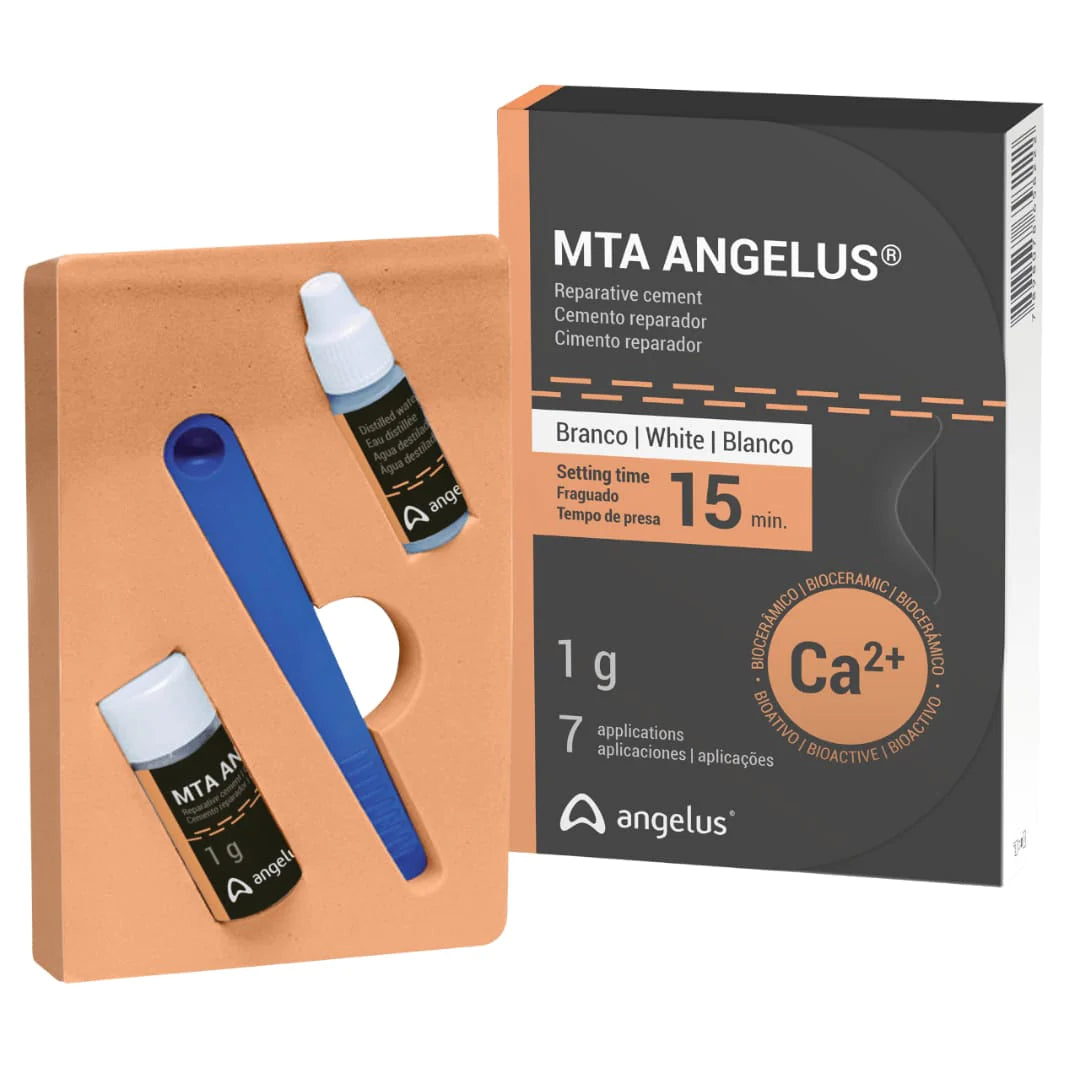
Angelus MTA - A super treatment for accidents and endodontic complications
Properties of MTA
Chemical
- Release of calcium ions: allows formation of mineralized tissues.
- Highly alkaline: prevents bacterial growth.
Physical
- Low solubility: may be used directly on pulp and periapical tissues.
- Compressive strength: 44.2 MPa – may be used as base for restorations.
- Expansion after hydration: seals cavities completely.
- Setting time (15 minutes): may be used in single appointment.
- Radiopaque: allows radiographic control.
Biological
- Biocompatibility: may be used directly on living tissues.
- New formation of cement: only dental material with this capacity.
- Remineralization of dentin: allows formation of biologic barrier.
- Biologic sealing of perforations: complete healing of periapical tissues.
Ions Calcium Release
Enhances formation of mineralized tissues and provides biological seal of perforations and total repair of damaged periradicular tissues
Hydrophilic
Can be used in humid areas without losing properties
High alkalinity
Antibacterial properties
Low solubility
Does not allow leakage
Calcium oxide
Promotes tissue biocompatibility
Aggregated oxides
Great compressive strength
High radiopacity
Higher radiopacity than that of dentin, allowing excellent radiographic visualization
Setting time of 15 minutes
Shorter setting time than similar cements
Benefits
- Enhances formation of mineralized tissues; provides biological seal of perforations and total repair of damaged periradicular tissues
- Capable of inducing periradicular cementum
- Can be used in humid areas without losing properties
- Antibacterial properties
- Does not allow leakage
- Promotes tissue biocompatibility
- Great compressive strength
- Higher radiopacity than that of dentin, allowing excellent radiographic visualization
- Shorter setting time than similar cements
Related collections


- Choosing a selection results in a full page refresh.
- Opens in a new window.